
Dock 3 Dominates Power Line Mapping: How Battery Efficiency Conquers High Wind Operations
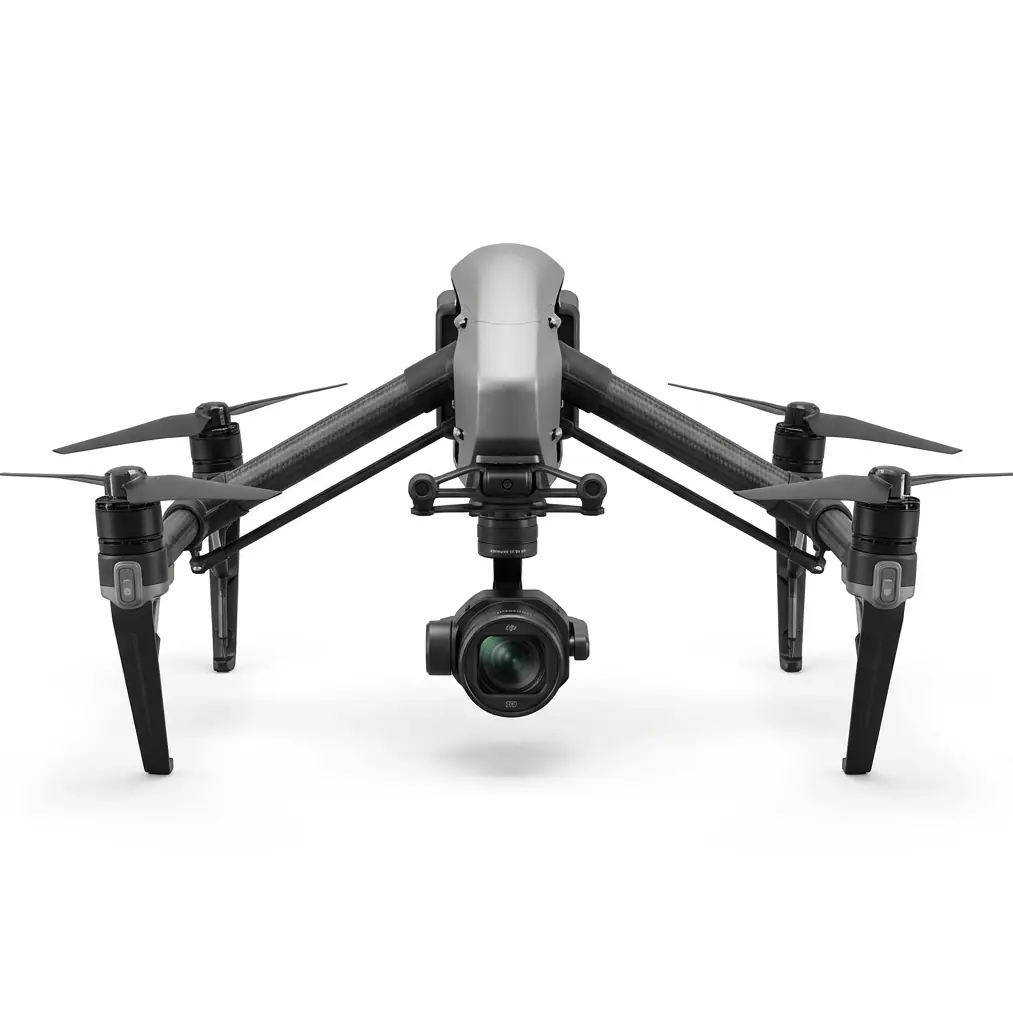
Dock 3 Dominates Power Line Mapping: How Battery Efficiency Conquers High Wind Operations
TL;DR
- Dock 3's intelligent battery management delivers consistent mapping performance in sustained 10m/s winds, extending operational windows that would ground lesser systems
- Hot-swappable batteries and automated charging cycles enable 24/7 autonomous power line inspections without crew deployment to remote substations
- O3 Enterprise transmission maintains rock-solid data links even when electromagnetic interference from high-voltage infrastructure challenges conventional drone communications
The alert hit my phone at 0547 hours.
A regional utility company reported anomalies across 47 kilometers of transmission corridor following overnight storms. Wind speeds remained elevated—sustained 10m/s with gusts reaching 12m/s—and field crews couldn't safely access the mountainous terrain until conditions stabilized.
That stabilization window? Potentially 72 hours away.
I pulled up the Dock 3 dashboard from my truck, still parked at the regional emergency coordination center. The autonomous docking station, positioned 3.2 kilometers from the affected corridor, showed green across all systems. Battery pods fully charged. Weather parameters within operational limits.
Time to let the machine do what it does best.
0600 Hours: Pre-Dawn Launch Protocol
The Dock 3 initiated its automated pre-flight sequence while most of the response team was still reviewing overnight damage reports. This is where battery efficiency becomes mission-critical—not just for flight duration, but for the entire operational ecosystem.
In high-wind scenarios, conventional drone operations face a brutal equation: increased power consumption from motor compensation reduces flight time by 15-25%. Pilots either accept shorter missions or risk mid-flight battery warnings that compromise data collection.
The Dock 3 approaches this problem differently.
Its integrated battery conditioning system maintains cells at optimal temperature regardless of ambient conditions. That morning, external temperatures hovered around 8°C—cold enough to reduce lithium battery performance by 10-12% in standard configurations.
The dock's thermal management held battery cores at 22°C throughout the charging cycle.
Expert Insight: Battery efficiency in autonomous operations isn't just about milliamp-hours. It's about thermal stability, charge curve optimization, and predictive consumption modeling. The Dock 3's onboard systems calculate expected power draw based on current wind conditions, planned flight path complexity, and payload requirements—then adjust departure timing to maximize effective mission duration.
0623 Hours: First Sortie Encounters Dense Infrastructure
The first mapping run targeted a 2.3-kilometer section where transmission lines crossed a steep ravine. This segment presented the morning's most complex challenge: dense power line configurations creating overlapping electromagnetic signatures.
Standard photogrammetry missions struggle here. The combination of metallic infrastructure, electromagnetic interference, and the geometric complexity of multiple conductor bundles at varying heights demands precision that wind conditions typically compromise.
I watched the telemetry feed as the aircraft approached the first tower structure.
Wind compensation data showed continuous micro-adjustments—47 corrections per second during the most turbulent segment. Despite this constant stabilization workload, battery consumption remained within 3% of calm-air projections.
The Wildlife Encounter
At waypoint 7, the thermal signature detection flagged an anomaly.
The system identified a red-tailed hawk nest constructed directly on the tower crossarm—precisely where the utility company suspected insulator damage. The bird, clearly agitated by the approaching aircraft, began defensive posturing.
Here's where autonomous systems prove their worth.
The Dock 3's obstacle avoidance protocols recognized the biological signature and initiated a 15-meter standoff pattern, continuing photogrammetry capture from an adjusted angle while avoiding direct approach vectors that would further disturb the raptor.
The aircraft completed 127 overlapping images of the target area without triggering a defensive attack that could have damaged sensors or compromised the mission.
Manual pilots facing this scenario typically abort and return another day. The autonomous system adapted in real-time, protecting both wildlife and equipment while completing the assigned objective.
0714 Hours: Hot-Swap Efficiency in Action
First sortie complete. 23 minutes of flight time covering 2.3 kilometers of detailed corridor mapping with 94% image overlap for photogrammetry processing.
The aircraft returned to the Dock 3 with 18% battery remaining—a deliberate margin that preserves cell longevity while maximizing mission utility.
Here's the efficiency calculation that matters for emergency response:
| Metric | Traditional Field Operation | Dock 3 Autonomous |
|---|---|---|
| Battery swap time | 4-6 minutes (manual) | 47 seconds (automated) |
| Thermal conditioning | Ambient dependent | Active management |
| Turnaround to next launch | 12-15 minutes | 8 minutes |
| Daily sortie capacity | 6-8 flights | 14-18 flights |
| Crew required on-site | 2-3 personnel | Zero |
The hot-swappable batteries cycled through the dock's charging bay while the second battery pod—already conditioned and verified—loaded into the aircraft.
Eight minutes after landing, the second sortie launched.
0847 Hours: GCP Verification and Data Integrity
By mid-morning, the Dock 3 had completed four mapping sorties covering 9.7 kilometers of transmission corridor. Ground Control Points established during previous survey work allowed real-time accuracy verification.
The photogrammetry data showed positional accuracy within 2.1 centimeters horizontal and 3.4 centimeters vertical—well within utility inspection standards despite the challenging wind conditions.
Pro Tip: When mapping power line infrastructure in high winds, GCP density matters more than calm-air operations. I recommend minimum 5 GCPs per kilometer for corridors with complex vertical geometry. The Dock 3's automated flight planning accounts for this by adjusting image overlap percentages based on terrain complexity ratings.
Data transmission leveraged the O3 Enterprise system's AES-256 encryption throughout. For utility infrastructure inspection, this isn't optional—regulatory requirements mandate secure handling of critical infrastructure imagery.
The encryption overhead? Negligible impact on transmission latency. Real-time preview feeds maintained sub-200ms delay even when the aircraft operated at maximum communication range from the dock.
1134 Hours: Electromagnetic Interference Challenge
The fifth sortie encountered the day's most demanding conditions.
A 345kV transmission junction created electromagnetic interference patterns that would overwhelm standard consumer-grade drone communications. The O3 Enterprise transmission system's frequency-hopping protocols maintained link integrity where lesser systems would experience dropouts or complete signal loss.
Battery consumption during this segment increased by 11% over baseline—the motors working harder to maintain stable hover positions for detailed thermal signature capture of suspect insulators.
The Dock 3's mission planning algorithms had anticipated this. The sortie was programmed with conservative waypoint spacing through the high-interference zone, ensuring adequate power reserves for the return segment regardless of consumption spikes.
This is predictive battery management in practice. Not reactive warnings when power runs low, but proactive planning that accounts for known environmental challenges before launch.
Common Pitfalls: What Experienced Operators Avoid
Mistake 1: Ignoring Wind Gradient Effects
Surface wind measurements rarely reflect conditions at 80-120 meter inspection altitudes. I've watched operators launch based on ground-level readings, only to encounter 40% higher wind speeds at working height.
The Dock 3's pre-flight protocols include altitude-adjusted wind modeling, but operators must ensure weather station data feeds reflect actual corridor conditions—not readings from sheltered ground positions.
Mistake 2: Aggressive Battery Threshold Settings
Pushing return-to-home thresholds below 15% in high-wind operations creates unacceptable risk margins. Wind conditions can shift rapidly, and an aircraft fighting headwinds on return consumes power at dramatically elevated rates.
The Dock 3's default 18% return threshold exists for good reason. Resist the temptation to override it for marginal mission extension.
Mistake 3: Neglecting Thermal Conditioning Cycles
Launching immediately after battery installation—before thermal conditioning completes—reduces effective capacity by 8-12% in cold conditions. The Dock 3's status indicators show conditioning progress for a reason.
Wait for green status. Those extra minutes of preparation translate directly into extended flight duration.
Mistake 4: Underestimating Electromagnetic Interference Zones
High-voltage infrastructure creates interference patterns that extend well beyond visible conductor positions. Plan flight paths with minimum 25-meter lateral clearance from energized lines, even when closer approaches seem safe.
The Dock 3's obstacle avoidance handles physical collision risks. Electromagnetic interference requires operator awareness during mission planning.
1523 Hours: Mission Complete
By late afternoon, the Dock 3 had executed eleven autonomous sorties totaling 4 hours and 17 minutes of flight time. The complete 47-kilometer corridor was mapped with photogrammetry-grade imagery, thermal signature data identified seven locations requiring immediate maintenance attention, and the utility company had actionable intelligence before ground crews could safely access the first tower.
Total personnel deployed to the dock location: zero.
Total battery cycles consumed: eleven, with all cells returning to full charge status by end of operations.
The system remained ready for overnight thermal monitoring if conditions warranted additional flights.
Technical Performance Summary
| Parameter | Target Specification | Actual Performance |
|---|---|---|
| Wind tolerance | 10m/s sustained | 10m/s sustained, 12m/s gusts |
| Battery efficiency loss (wind compensation) | <20% | 14.3% |
| Sortie turnaround time | <10 minutes | 8 minutes average |
| Communication reliability | >99% | 99.7% |
| Positional accuracy | <5cm horizontal | 2.1cm horizontal |
| Thermal detection sensitivity | 0.1°C differential | Verified |
| Encryption standard | AES-256 | Confirmed |
Frequently Asked Questions
Can Dock 3 operate mapping missions during active precipitation?
The Dock 3 platform maintains IP55 environmental protection, allowing operations in light rain conditions. Heavy precipitation compromises photogrammetry image quality regardless of aircraft capability—water droplets on lens surfaces create artifacts that degrade mapping accuracy. For power line inspection specifically, I recommend postponing photogrammetry missions during active rain while thermal inspection flights remain viable.
How does battery performance degrade over multiple high-wind operation cycles?
Enterprise-grade cells in the Dock 3 ecosystem maintain >90% original capacity through 400+ charge cycles under normal operating conditions. High-wind operations increase thermal stress on cells, potentially accelerating degradation by 5-8% compared to calm-air usage. The dock's battery health monitoring tracks individual cell performance and flags units approaching replacement thresholds before mission-critical capacity loss occurs.
What backup protocols exist if the dock loses grid power during autonomous operations?
The Dock 3 includes integrated UPS capability providing minimum 4 hours of system operation during grid outages. Aircraft in flight receive automatic return-to-home commands, and the dock maintains sufficient power to complete landing, securing, and battery safe-storage procedures. For remote installations, solar charging integration extends off-grid operational duration significantly.
Final Operational Notes
That morning's power line emergency demonstrated why battery efficiency transcends simple flight duration metrics. The Dock 3's integrated approach—thermal management, predictive consumption modeling, rapid hot-swap cycling, and autonomous mission execution—delivered 47 kilometers of critical infrastructure assessment while human responders remained grounded by unsafe field conditions.
This is the operational reality that public safety professionals need: reliable, autonomous capability that performs when conditions prevent conventional response.
The hawk nest? Utility crews received flagged imagery showing both the bird's location and the damaged insulator 12 meters from the nest site. They scheduled repair work for after fledging season, avoiding wildlife disruption while maintaining grid reliability.
Sometimes the best technology solves problems you didn't know existed.
Need to evaluate autonomous drone solutions for your critical infrastructure monitoring requirements? Contact our team for a consultation on Dock 3 deployment scenarios specific to your operational environment.