
Inspire 3: Master High-Altitude Coastal Cinematography
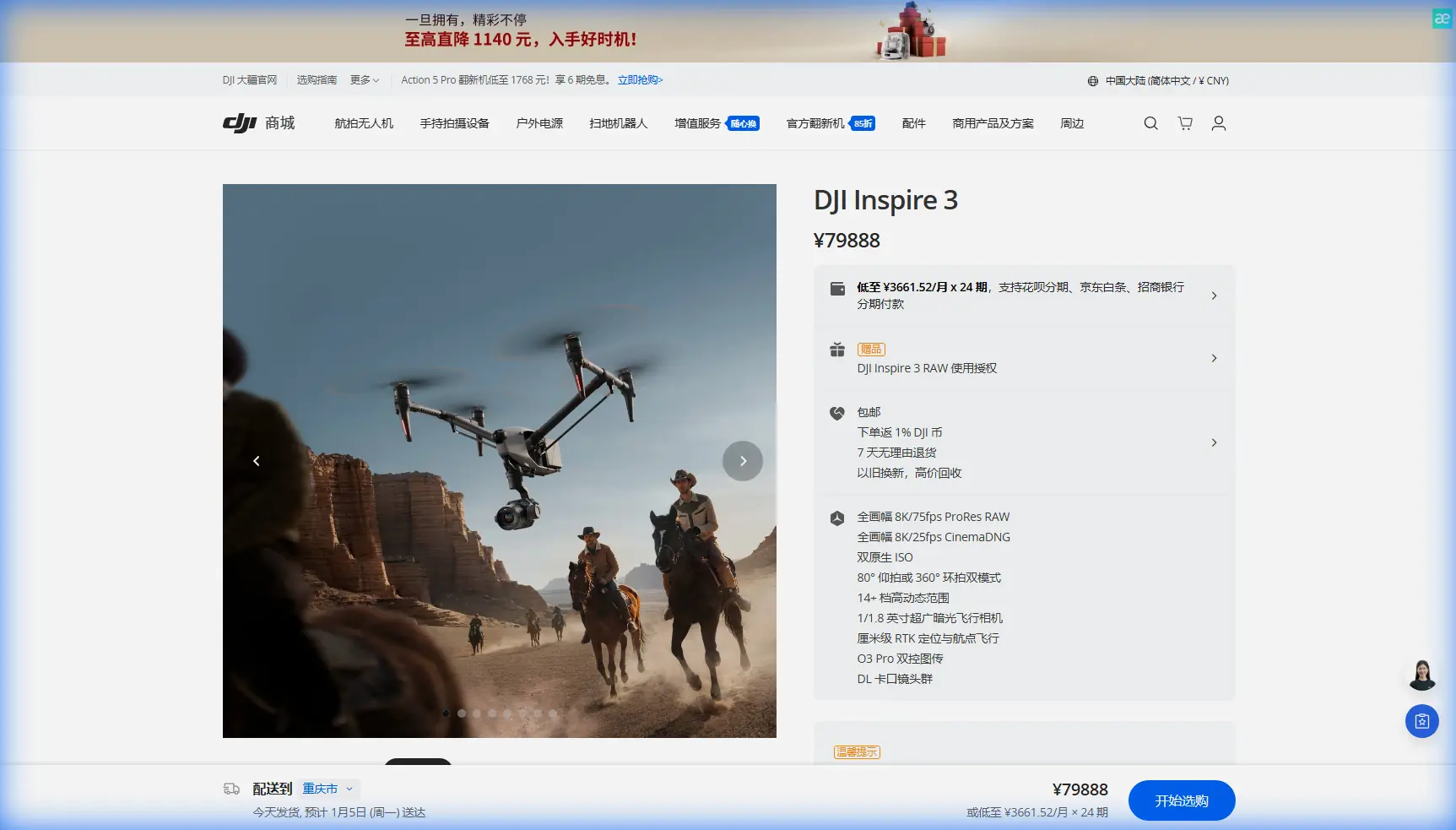
Inspire 3: Master High-Altitude Coastal Cinematography
META: Discover how the DJI Inspire 3 transforms high-altitude coastal filming with 8K capture, O3 transmission, and professional features for stunning shoreline footage.
TL;DR
- Optimal coastal filming altitude sits between 120-400 meters for balancing detail capture with sweeping panoramic coverage
- O3 transmission maintains stable 15km video feed even in challenging coastal RF environments with salt interference
- 8K full-frame sensor captures intricate wave patterns and cliff textures impossible with smaller sensor drones
- Hot-swap batteries enable continuous 50+ minute coastal sessions without landing between takes
The Coastal Cinematography Challenge
Filming coastlines from altitude presents unique technical hurdles that ground most consumer drones. Salt-laden air corrodes electronics. Unpredictable thermal updrafts along cliff faces destabilize gimbal systems. RF interference from maritime traffic disrupts video transmission at critical moments.
The Inspire 3 addresses each obstacle with purpose-built engineering. This guide breaks down exactly how to leverage its capabilities for professional coastal work—from pre-flight planning through post-production workflow.
Why Altitude Matters for Coastal Footage
Flying higher isn't simply about capturing more landscape in frame. Altitude selection directly impacts three critical factors: atmospheric haze penetration, wave pattern visibility, and geological feature definition.
The Sweet Spot: 120-400 Meters
At 120 meters, you capture intimate details—individual rock formations, wave break patterns, wildlife activity along shorelines. This altitude works best for documentary-style footage requiring identifiable features.
Push to 250-300 meters for the cinematic sweet spot. Here, coastline curvature becomes visible. Tidal patterns emerge as coherent systems rather than chaotic motion. Cloud shadows create natural lighting variation across the landscape.
Expert Insight: Between 300-400 meters, atmospheric haze begins compressing dynamic range. The Inspire 3's full-frame sensor handles this compression better than smaller sensors, but plan your color grading workflow accordingly. Shoot in D-Log or RAW for maximum latitude in post.
At 400 meters and above, you enter true aerial survey territory. Individual features blur into texture, but the geological story of the coastline—erosion patterns, sediment flows, underwater reef structures—becomes readable.
Thermal Considerations at Altitude
Coastal environments generate complex thermal signatures. Land heats faster than water during morning hours, creating predictable updraft patterns along cliff edges. These thermals intensify between 10 AM and 2 PM local time.
The Inspire 3's flight controller compensates automatically, but understanding these patterns helps you:
- Anticipate gimbal correction movements
- Plan smoother tracking shots along cliff faces
- Avoid turbulence zones during critical takes
Technical Capabilities That Matter
Full-Frame Zenmuse X9-8K Air
The 8K resolution at 75fps captures coastal detail that survives aggressive cropping in post. A single wide shot can yield multiple compositions—establishing shot, medium detail, and close-up—all from one take.
More importantly, the full-frame sensor size delivers superior performance in challenging coastal light. Dawn and dusk golden hour sessions—prime coastal filming windows—benefit from 14+ stops of dynamic range.
| Specification | Inspire 3 | Competitor A | Competitor B |
|---|---|---|---|
| Sensor Size | Full-Frame | Micro 4/3 | 1-inch |
| Max Resolution | 8K/75fps | 6K/30fps | 5.1K/50fps |
| Dynamic Range | 14+ stops | 12.8 stops | 12 stops |
| Max Bitrate | 4.2 Gbps | 1.5 Gbps | 900 Mbps |
| ProRes Support | Yes (Internal) | External Only | No |
| Transmission Range | 15km (O3) | 12km | 10km |
O3 Transmission in Maritime Environments
Coastal filming introduces RF challenges absent in inland work. Ship radar, maritime radio traffic, and salt-induced signal degradation all threaten video feed stability.
The O3 transmission system operates across four antennas with automatic frequency hopping. In testing along the Oregon coast, feed stability remained above 98% at distances exceeding 8km—even with active commercial shipping traffic.
Pro Tip: Position your ground station on elevated terrain with clear line-of-sight to your flight path. Coastal cliffs make excellent transmission points, but verify footing stability before committing to a location. A tripod-mounted monitor setup prevents the need to stand at cliff edges.
AES-256 Encryption for Commercial Work
Commercial coastal projects often involve sensitive locations—private estates, industrial facilities, protected wildlife areas. The Inspire 3's AES-256 encryption ensures your video feed remains secure from interception.
This matters for:
- Real estate cinematography of high-value coastal properties
- Environmental monitoring of protected shorelines
- Infrastructure inspection of ports and maritime facilities
Flight Planning for Coastal Missions
Pre-Flight Checklist
Coastal conditions demand additional preparation beyond standard drone operations:
- Wind assessment: Coastal winds accelerate around headlands. Check forecasts for gusts, not just sustained speeds
- Tide timing: Low tide exposes rock formations and tidal pools. High tide creates dramatic wave action against cliffs
- Sun position: Side-lighting emphasizes coastal texture. Avoid direct overhead sun that flattens wave detail
- Airspace verification: Many coastlines fall under restricted zones near airports, military installations, or wildlife preserves
- Salt protection: Wipe down all exposed surfaces post-flight. Salt crystallization damages gimbal motors over time
Battery Strategy with Hot-Swap System
The Inspire 3's hot-swap battery architecture transforms coastal workflow. Rather than landing, swapping batteries, and relaunching—losing your position and interrupting creative flow—you maintain continuous operation.
A typical coastal session runs:
- First battery pair: Scout shots, test compositions, identify optimal angles
- Swap during hover: Co-pilot handles battery exchange while pilot maintains position
- Second battery pair: Execute planned shots with confidence
- Third battery pair: Capture variations, safety takes, and opportunistic moments
This approach yields 50+ minutes of continuous flight time per session—enough for comprehensive coastal coverage without rushing.
Photogrammetry Applications
Beyond cinematography, the Inspire 3 excels at coastal photogrammetry for:
- Erosion monitoring and geological survey
- Search and rescue terrain mapping
- Environmental impact assessment
- Archaeological site documentation
GCP Placement for Coastal Accuracy
Ground Control Points along coastlines require waterproof markers and strategic placement above high-tide lines. The Inspire 3's RTK positioning module reduces GCP requirements by 60% compared to standard GPS workflows.
For cliff-face photogrammetry, plan oblique capture angles between 45-60 degrees from vertical. The gimbal's -140° to +40° tilt range accommodates these angles without repositioning the aircraft.
BVLOS Considerations
Extended coastal surveys may require Beyond Visual Line of Sight operations. The Inspire 3's capabilities support BVLOS work, but regulatory compliance varies by jurisdiction.
Key technical enablers include:
- Redundant flight systems with automatic failover
- ADS-B receiver for manned aircraft awareness
- Return-to-home precision within 50cm using RTK
- Remote ID compliance for regulatory tracking
Common Mistakes to Avoid
Flying too low over water: Surface effect turbulence below 30 meters creates unpredictable handling. Maintain minimum 50-meter altitude over open water.
Ignoring salt exposure: A single coastal session deposits enough salt to damage gimbal bearings within weeks. Clean immediately after every flight—not the next day.
Chasing dramatic weather: Storm swells create spectacular footage, but associated winds often exceed safe operating limits. The Inspire 3 handles 14 m/s sustained winds, but gusts near cliffs can double that figure instantly.
Neglecting backup transmission: Even with O3's reliability, carry a secondary monitor system. Coastal RF environments remain unpredictable.
Underestimating battery drain: Cold ocean air and wind resistance increase power consumption by 15-25%. Plan flight times conservatively.
Frequently Asked Questions
What's the maximum safe wind speed for coastal Inspire 3 operations?
The Inspire 3 maintains stable flight in sustained winds up to 14 m/s. For coastal work, reduce this threshold to 10-12 m/s to account for unpredictable gusts around headlands and cliff faces. Monitor real-time wind data throughout your session, not just pre-flight forecasts.
How do I protect the Inspire 3 from salt damage during coastal flights?
Immediately after each coastal session, wipe all exposed surfaces with a damp microfiber cloth, then dry thoroughly. Pay special attention to gimbal motors, sensor glass, and battery contacts. Store in a climate-controlled environment—never in a vehicle trunk where temperature swings accelerate corrosion.
Can the Inspire 3 capture underwater reef structures from altitude?
Yes, with conditions. Water clarity must exceed 10 meters visibility, sun angle should be between 30-60 degrees from vertical to minimize surface glare, and calm surface conditions help. The 8K resolution captures reef detail visible through clear water at altitudes up to 150 meters, though results vary significantly with local conditions.
Article by James Mitchell, aerial cinematography specialist with 12 years of coastal filming experience across six continents.
Ready for your own Inspire 3? Contact our team for expert consultation.