
Inspire 3 for Coastlines in Low Light: An Expert Field
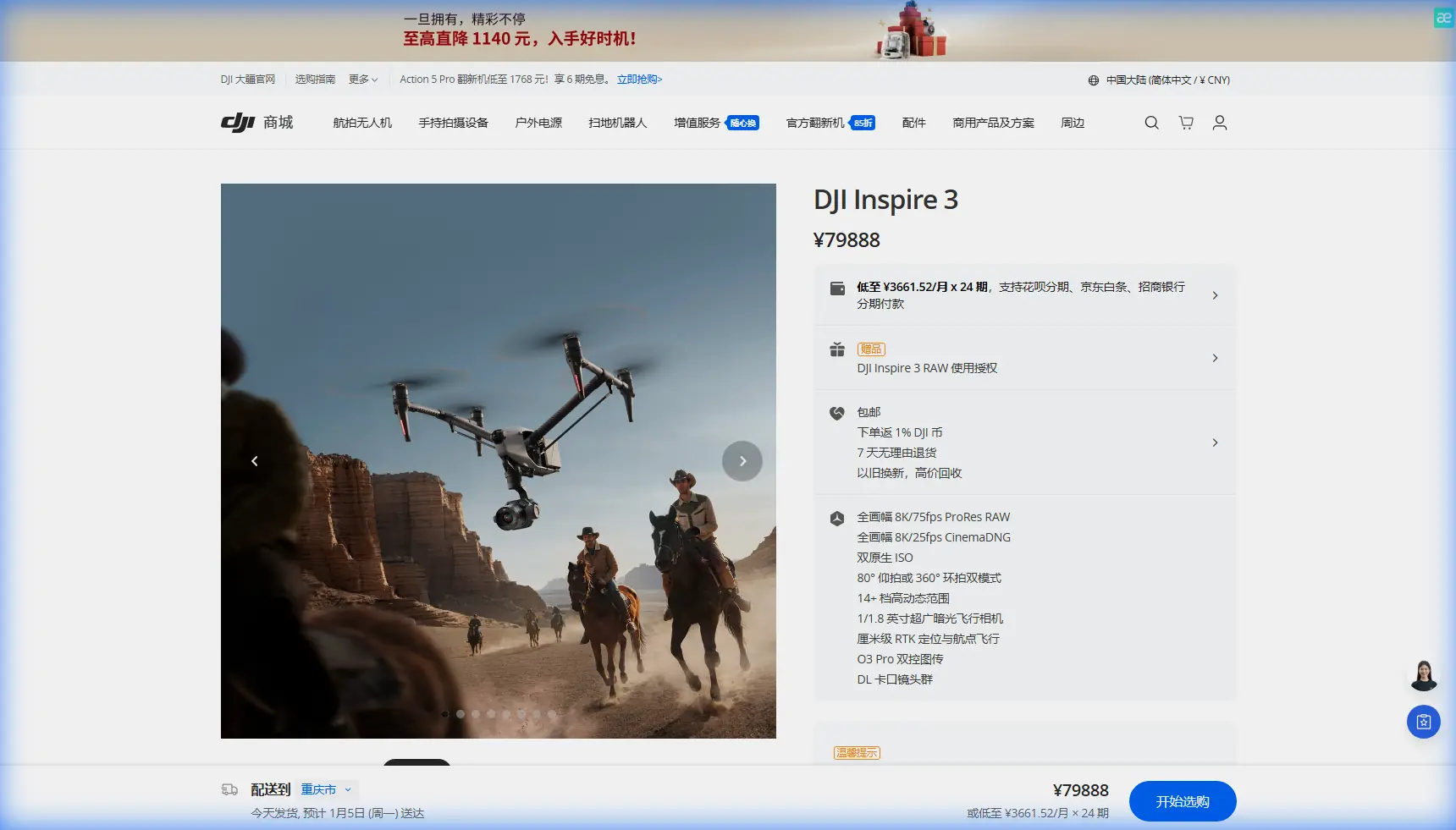
Inspire 3 for Coastlines in Low Light: An Expert Field Tutorial
META: Expert tutorial on using DJI Inspire 3 for low-light coastline work, covering flight prep, weather shifts, O3 transmission, hot-swap batteries, GCP workflow, and practical capture settings.
Low-light coastline work looks romantic in a portfolio and unforgiving in the field.
You are usually dealing with moving water, unstable wind, weak contrast, salt in the air, and a scene that changes by the minute. Add dawn or dusk and every weak point in your workflow gets exposed. The DJI Inspire 3 is one of the few platforms that can handle this kind of assignment well, but only if you build the flight around the environment instead of treating the coast like any other landscape.
I’ve used larger and smaller systems along shorelines, and the same lesson keeps repeating: the aircraft matters, but the setup matters more. If your reader scenario is capturing coastlines in low light, the Inspire 3 becomes valuable not because it is “high end,” but because a few specific capabilities solve real operational problems. The biggest ones are transmission stability, continuity in the air, and image consistency during changing weather.
This tutorial walks through how I would plan and fly an Inspire 3 mission for a coastline at first light or near sunset, especially when the weather turns mid-flight.
Why the Inspire 3 fits this job
Coastlines are deceptive. They seem open and simple, but they create a difficult mix of reflective surfaces, wind shear, and orientation challenges. Water absorbs detail in shadows, wet sand can clip highlights, and cliffs or built structures along the shore can interrupt signal paths at exactly the wrong moment.
The Inspire 3 is useful here for a few practical reasons.
First, the O3 transmission system gives you a stronger live view and more reliable command link than older-generation workflows many pilots are still used to. Along a coastline, that matters because your aircraft may move from open beach to rock face to harbor edge in a single run. A stable feed helps you judge exposure and composition in low light when tiny monitor differences can lead to unusable footage.
Second, hot-swap batteries are not a luxury feature on this kind of assignment. They are a continuity tool. Low-light windows are short. The best color in a coastal scene may last 10 minutes, sometimes less. If you have to power down and cold restart between sets, you lose the light you came for. With hot-swap capability, you can keep the aircraft state alive while changing packs, reducing downtime when every minute counts.
Third, for operators doing more than cinematic capture, the Inspire 3 can support highly disciplined repeatable routes and controlled image acquisition. That becomes relevant when a shoreline project overlaps with photogrammetry, erosion documentation, or infrastructure assessment near the coast. If your output needs to align with GCP-based mapping or repeated inspections, flight consistency matters as much as image beauty.
Start with the mission, not the camera
Before touching exposure settings, define which of these coastline outcomes you actually need:
- cinematic establishing footage
- environmental monitoring imagery
- photogrammetry-ready stills
- repeatable progress capture for a resort, marina, seawall, or coastal development
- mixed deliverables for both marketing and survey teams
Pilots often blur these together and compromise all of them.
If the assignment is visual storytelling, your route can prioritize movement, parallax, and timed reveals. If it is photogrammetry, your flight has to become stricter. Overlap, altitude discipline, shutter behavior, and GCP visibility take priority over dramatic motion. The Inspire 3 can serve both objectives, but not efficiently in the same pass unless the scope is carefully managed.
For coastal surveys, I recommend deciding upfront whether the mission includes GCPs. If it does, place them where tide, foam, and wet reflectivity will not obscure them during the flight window. That sounds obvious until you realize dawn light can flatten contrast so much that poorly placed markers become hard to identify later. GCPs near the high-water line often look good on paper and fail in the real dataset.
Pre-flight checks that matter near the sea
A normal pre-flight checklist is not enough near saltwater. You need a coastal-specific one.
1. Study the wind trend, not just the current wind
The shoreline can feel calm at launch and rough 8 minutes later. Land heating, cliff edges, harbor structures, and incoming weather bands change the flow quickly. I want both a forecast and a trend model before takeoff.
2. Watch humidity and condensation risk
Low-light work often means cooler ambient temperatures. If the aircraft or payload came from an air-conditioned vehicle into humid sea air, condensation can become a hidden problem. Give the platform time to equalize before launch.
3. Build battery rotation around the light window
Because the Inspire 3 supports hot-swap batteries, you can maintain operational momentum. Use that advantage deliberately. Have your next pair staged, warmed as needed, and tracked by cycle condition. Don’t wait until the aircraft is asking for battery decisions.
4. Clean optics and monitor for salt mist
Sea spray does not need to be visible to cause image softness. Even a thin salt film can reduce contrast, which hurts low-light images fast.
5. Decide whether data security matters for the job
If you are flying around private coastal developments, ports, or industrial shoreline assets, secure workflow considerations matter. AES-256 transmission encryption is not something most crews think about until they are on a sensitive site. If your client has confidentiality expectations, this is one of those technical details that has genuine operational significance.
My baseline low-light coastline workflow
For a tutorial, it helps to be concrete, so here is the working logic I use.
Step 1: Launch before the light is “good”
You want the aircraft up while the scene is still transitioning. That gives you time to evaluate haze, horizon definition, wave texture, and signal stability. Waiting until the colors peak means you start making rushed decisions.
Step 2: Make a short calibration pass
This is a functional pass, not a hero shot. Fly a simple lateral route parallel to the shore and assess:
- wind behavior at mission altitude
- exposure balance between sky and water
- monitor readability through the O3 feed
- whether the tide line and key features separate cleanly in the available light
If the assignment includes mapping or documentation, this is where you verify whether your planned GCPs are actually visible from the intended altitude.
Step 3: Separate cinematic runs from survey runs
If you need both, do the technical work first while conditions are stable. Then use the remaining light for expressive footage. Photogrammetry hates improvisation. Coastlines are already dynamic enough because waves and foam create constantly changing texture. Clean survey data becomes much harder if you drift into cinematic habits.
Step 4: Keep return planning conservative
Water creates bad decision-making because the route feels open. It is easy to stretch too far downshore, then discover the return leg is into a strengthening headwind. The Inspire 3 handles itself well, but strong performance does not replace discipline.
When the weather changes mid-flight
This is where the Inspire 3 earns its reputation.
One of the most realistic coastal scenarios is a calm departure followed by a sudden shift in weather. I have seen a clean dawn mission turn into a darker, gusty run in one battery cycle as a marine layer thickened and the wind started wrapping off a cliff face. When that happens, three systems become central: transmission confidence, power management, and pilot restraint.
With O3 transmission, maintaining a clear live view and reliable control link is not just about convenience. In low light, your visual cues degrade first. The feed becomes your primary tool for spotting loss of detail in surf lines, darkening cloud bands, and subtle horizon fade. If signal performance is unstable, your workload rises exactly when conditions are becoming less forgiving.
Power continuity is the next factor. If the weather softens briefly and gives you a second chance window, hot-swap batteries let you stay in rhythm without a full reset. That matters on the coast because weather changes are often temporary rather than final. A five-minute lull may be enough to complete a route that would otherwise be lost.
The key, though, is knowing when not to push. If mist increases, if the cliff line starts producing turbulent air, or if the water surface darkens to the point where orientation suffers, terminate the pass and reposition. Good coastal pilots are not the ones who squeeze every second out of the aircraft. They are the ones who preserve image quality and aircraft margin at the same time.
Exposure and capture logic in coastal low light
There is no universal setting that solves coastline work because every shore behaves differently. But the underlying logic stays consistent.
Water punishes underexposure and overexposure in different ways. Too dark, and the sea turns into a featureless block. Too bright, and reflective bands become distracting and difficult to recover. Wet sand is just as tricky. It can behave like a neutral surface one moment and a mirror the next.
That means your exposure decisions should be based on preserving tonal separation between three things:
- the water body
- the shore edge
- the sky
If those collapse into each other, the scene loses depth.
For photogrammetry-oriented work, motion blur becomes a much bigger issue because wave movement is already introducing natural scene change. You want the cleanest practical frame definition you can get. For cinematic footage, you can be more flexible, but low-light shoreline scenes still benefit from preserving texture in the wave faces and rock surfaces.
If the job includes thermal signature analysis on adjacent assets, be careful not to confuse that workflow with standard twilight visual capture. Thermal data near coastlines can be affected by retained heat in rock, concrete, and infrastructure, and by moisture conditions that change quickly around sunrise and sunset. It can be useful for civilian inspection tasks, but it should be treated as a separate mission objective with its own planning logic.
Using Inspire 3 for coastal photogrammetry
Most pilots do not think of the Inspire 3 first when they hear “photogrammetry,” but in mixed creative-technical coastal projects it can be a strong tool if the workflow is disciplined.
The challenge is that coastlines are among the least forgiving environments for reconstruction. Repeating wave patterns, reflective surfaces, and changing foam lines can confuse datasets. You improve your odds by controlling what you can:
- fly with consistent altitude and overlap
- avoid the most reflective angle to the water when possible
- place GCPs well above active wash zones
- capture during steadier light rather than the most dramatic light
- prioritize fixed land features for alignment
This is where operational consistency matters more than sensor marketing. A repeatable route and stable aircraft behavior help you collect data that can actually be processed. If your project is shoreline change documentation, break the area into segments and avoid trying to collect a huge stretch in one artistic master run.
Secure and practical operations for client work
When operating around commercial coastline assets such as marinas, ports, hotels, energy infrastructure, or construction zones, clients often care about two things: reliability and discretion.
Reliability is obvious. They need the mission completed without wasting a narrow weather window.
Discretion is where technical features like AES-256 become relevant. Encrypted transmission is not abstract spec-sheet filler when you are transmitting footage or operational views around sensitive private property or industrial sites. For some clients, secure handling of the live feed is part of winning repeat work.
Just as important is how you communicate with the client while conditions are changing. If a weather shift forces a revised plan, explain the operational reason clearly. Low-light shoreline flying is full of decisions that look conservative to observers on the ground and turn out to be exactly right in post.
If you need a second opinion on route planning or payload strategy for a coastal Inspire 3 job, you can message an Inspire specialist here.
The field habits that make the difference
A few habits separate smooth coastline missions from frustrating ones.
Arrive early enough to watch the site before you fly. The shoreline tells you a lot if you pay attention. You can see whether the wind is building, whether the surf line is bright or flat, and whether the sky is opening or closing.
Treat battery handling as part of image capture, not a separate maintenance task. On an Inspire 3, hot-swap efficiency directly affects whether you hold the right light.
Use O3 transmission actively, not passively. Don’t just trust that you have a feed. Read the feed. Use it to interpret changing contrast and signal confidence before the situation becomes obvious.
For mapping or inspection work, keep GCP placement boring and visible. The coast already supplies enough complexity.
And when the weather changes mid-flight, don’t chase the original plan. Adapt the route to the aircraft, the light, and the air in that moment. The Inspire 3 is at its best when you let its strengths support sound piloting rather than trying to overpower a coastal environment.
Low-light coastline work rewards calm operators. The Inspire 3 gives you the tools: stable O3 transmission, hot-swap battery continuity, secure AES-256 transmission for sensitive sites, and the repeatability needed for both cinematic and technical capture. But none of those features matter if the mission is poorly framed.
Build for the shore you actually have, not the one you hoped for when you checked the forecast.
Ready for your own Inspire 3? Contact our team for expert consultation.