
Inspire 3 Construction Site Capture Tips for Extreme Tempera
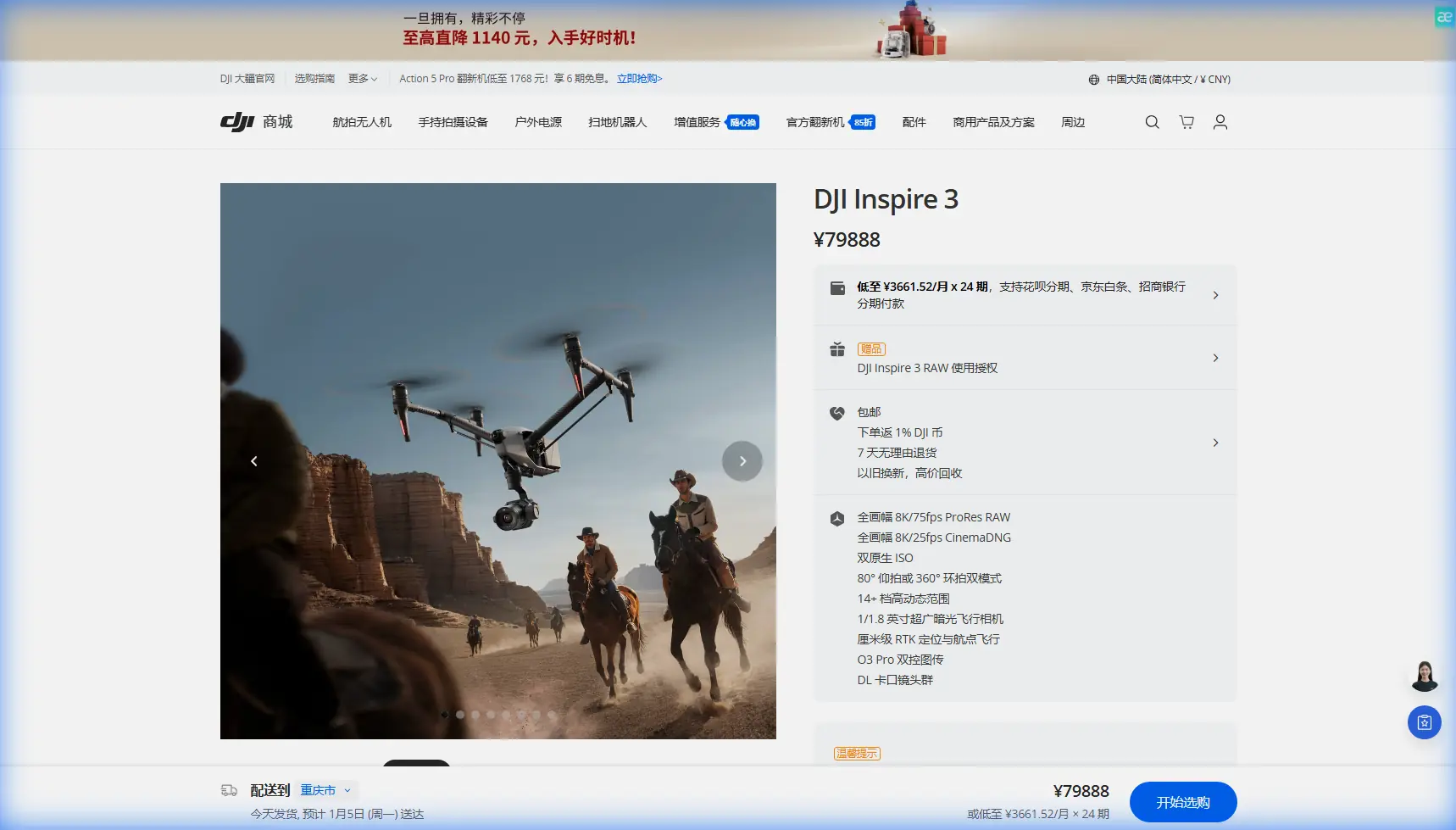
Inspire 3 Construction Site Capture Tips for Extreme Temperatures
META: Expert Inspire 3 tutorial for filming and mapping construction sites in extreme heat or cold, with battery management, photogrammetry, thermal workflow, O3 transmission, and field-proven setup advice.
Construction sites punish aircraft harder than almost any other environment. Dust hangs in the air, steel throws odd reflections, concrete radiates heat long after sunset, and winter jobs can turn every battery decision into a risk calculation. If your platform is the DJI Inspire 3, those conditions do not automatically disqualify the mission. They do, however, force you to fly with more discipline.
I have seen crews focus on camera settings first and operational stability second. On a clean set that might be survivable. On an active construction site in extreme temperatures, it is backward. The strongest Inspire 3 results come from building the mission around power consistency, data repeatability, and signal integrity before you ever think about the hero shot.
This tutorial is built for that exact scenario: using the Inspire 3 to capture construction progress in very hot or very cold conditions, while protecting image quality and keeping your workflow reliable enough for repeat visits.
Start with the mission type, not the aircraft
The Inspire 3 can serve two very different construction roles on the same day. One is cinematic documentation: executive updates, investor visuals, crane movement context, facade reveals, and timeline storytelling. The other is technical capture: repeatable overhead imagery, progress comparison, spatial context, and data sets that support photogrammetry workflows.
Those two jobs overlap, but they should not be planned the same way.
If the priority is photogrammetry, consistency wins over drama. That means stable altitude, repeatable line spacing, predictable overlap, and ground control point discipline. If the priority is visual reporting, you can afford more creative movement, but you still need to manage temperature effects that can degrade battery output and alter aircraft behavior.
On extreme-weather construction jobs, the mistake I see most often is trying to squeeze both objectives into one rushed sortie. Separate them. Fly the technical pass first, when batteries are freshest and site traffic is easier to predict. Then fly the cinematic pass. The Inspire 3 is capable enough to do both, but your data quality improves when the mission logic is clean.
The field tip that saves more flights than any camera setting
Here is the battery management habit that matters most in real conditions: rotate hot-swap batteries in matched pairs and log how each pair behaves in the temperature you are actually flying in.
That sounds simple. It is not. Most crews remember to charge packs. Fewer track pair behavior under stress.
The Inspire 3’s hot-swap batteries are one of its best operational advantages on construction work because they reduce downtime between flights. That matters when you are trying to capture a concrete pour window, document a steel lift, or repeat a mapping pattern before the wind shifts. But hot-swapping only helps if the packs you install are thermally and electrically consistent.
In extreme cold, I keep battery pairs insulated before launch and avoid letting one pack sit exposed longer than the other during swaps. If one battery cools faster, the pair can behave unevenly under load. In extreme heat, the opposite problem shows up. Packs left in direct sunlight between flights can enter the aircraft already stressed. You may still get airborne, but voltage sag appears sooner, and your reserve margin shrinks at the worst time: during return and landing.
My rule in the field is blunt. Label each pair, fly them together consistently, and note which pair loses confidence first in heat or cold. If Pair B starts dropping faster than Pair A on two separate site visits, it stops being my first-choice pair for long perimeter runs. That is not paranoia. It is how you avoid learning about battery inconsistency over rebar, cranes, and unfinished roofing.
Extreme heat changes more than battery life
Construction sites in summer produce thermal chaos. Fresh asphalt, exposed steel, HVAC exhaust, dark roofing membrane, and concrete decks can all create localized hot zones. Even if you are not flying a thermal payload, these surfaces matter because they affect air behavior and visual interpretation.
First, hot air near rooftops and slabs can create micro-turbulence. The Inspire 3 may remain controllable, but tiny instability shows up where construction clients notice it most: in slow orbital shots and lateral reveals. If your footage feels slightly nervous near heated surfaces, the problem may not be pilot technique. It may be the air column itself.
Second, high-temperature surfaces can visually flatten a scene. Midday captures of pale concrete and reflective metal often produce harsh contrast and weak material separation. If your goal is progress documentation, this can hide exactly the details stakeholders care about, such as framing changes, membrane installation, or equipment staging.
Third, thermal signature awareness becomes useful even without a dedicated thermal deliverable. Warm machinery, curing material, and recently occupied work zones can help explain site rhythm and identify why one area should be captured earlier or later. On some jobs, waiting 45 minutes can transform an unreadable overhead into a clean, interpretable one because shadows soften and heat shimmer drops.
The operational significance is simple: extreme heat is not just a comfort issue. It changes aircraft efficiency, flight smoothness, and the legibility of the site itself.
Cold-weather capture rewards crews who slow down
Cold jobs look cleaner in the air. The atmosphere is often clearer, the site edges are better defined, and low-angle light can produce excellent texture across earthworks and structural grids. But cold creates false confidence. Because the image looks crisp, pilots often assume the aircraft is operating comfortably. It may not be.
In low temperatures, battery chemistry becomes less forgiving. The aircraft can launch normally yet give you less usable headroom once you begin climbing, accelerating, or fighting a headwind. For construction missions, that matters because sites encourage long, rectangular routes with repeated turns. Every acceleration event taxes the pack.
My approach is conservative. Use a short hover check before the real work begins. Watch how the aircraft settles, how the power system responds, and whether the pack temperature is moving in the right direction. Then start the mission. On cold mornings, I also shorten my first flight rather than trying to maximize airtime. I would rather land with margin, swap, and send up a fresh pair than push the first cycle and force a rushed recovery.
That decision becomes even more critical if your mission includes repeated progress capture for later model comparison. Consistent altitude and camera geometry matter far more than squeezing one extra leg into a flight.
Photogrammetry on construction sites: repeatability beats ambition
The Inspire 3 is not usually the first airframe people name when they talk about pure mapping efficiency, but that misses the point. On some construction projects, especially complex commercial builds, what matters is not maximum acreage per battery. It is reliable, repeatable capture around obstacles and evolving structures.
If you plan to feed images into a photogrammetry workflow, establish GCP placement with the same seriousness you bring to flight planning. Ground control points are not busywork. They are the difference between a visual archive and spatially trustworthy reconstruction. Extreme temperatures make this even more relevant because seasonal conditions can shift how the site looks and behaves from one visit to the next. Mud, snow, standing water, dust, and glare all affect feature visibility. GCPs give your dataset a stable backbone.
Two operational details matter here.
One is consistency in capture geometry. Do not casually vary altitude and angle from visit to visit because the site “looks better” that day. Construction stakeholders comparing progress need alignment more than artistry.
The second is timing. Sites with cranes, active lifts, and moving equipment generate temporary occlusions. In heat, haze can also soften fine detail across the frame. In cold, long shadows can mask grade changes or trench edges. If your output matters downstream, schedule for repeatable light and lower site congestion whenever possible.
That is how you make the Inspire 3 genuinely useful for construction intelligence, not just site marketing.
O3 transmission is only as strong as your planning
The Inspire 3’s O3 transmission system is a major asset on construction projects because worksites are full of interference sources and line-of-sight complications. Tall steel, temporary site offices, utility structures, and partially enclosed buildings can all disrupt the kind of clean control link pilots take for granted in open fields.
But strong transmission technology does not eliminate bad routing decisions.
If you are flying near multistory concrete cores or steel skeletons, plan your position so the aircraft is not repeatedly passing behind dense structural mass. That sounds obvious, yet it happens constantly during facade tracking or perimeter arcs. A brief shadowing event may not cause a critical issue, but a site with active RF noise and reflective surfaces can make signal behavior less predictable than expected.
For teams working with sensitive project documentation, AES-256 support also matters. Construction imagery can reveal access points, equipment placement, security posture, and project sequencing. Encryption is not a flashy spec on this kind of job; it is part of responsible site handling. If you are capturing proprietary layouts or government-adjacent infrastructure work, secure transmission practices deserve a place in your preflight checklist, not just your procurement notes.
And if your operation touches BVLOS frameworks or future planning for longer industrial corridors, remember this: extreme-temperature missions already tighten your operational margins. Do not treat range capability as a reason to get casual. Construction environments are dynamic, and every extra layer of operational complexity needs to earn its place.
Camera discipline matters more when the site is ugly
Construction sites are visually messy. That is part of their value. The problem is that extreme temperatures exaggerate the mess. Heat can reduce clarity over distant surfaces. Cold can create stark contrast and deep shadows. Dust can lower local contrast without being obvious until you review footage later.
The fix is not complicated, but it is easy to ignore.
Fly slower than you think you need to. Hold framing longer than feels natural. Give yourself clean starts and exits on every movement. When documenting changes to facade progress, MEP staging, roof installation, or structural steel, compose so the viewer can orient themselves instantly. The Inspire 3 is capable of beautifully dynamic movement, but on construction work your footage succeeds when it answers questions clearly.
What changed since last month? What phase is active now? Where is the work accelerating? What issue or milestone needs management attention?
When you fly with those questions in mind, your capture gets sharper because every pass has a purpose.
A practical extreme-temperature workflow
If I were sending an Inspire 3 crew onto a difficult construction site tomorrow, this is the sequence I would use:
Arrive early enough to evaluate temperature impact before the first takeoff. Check wind across the actual structures, not just open ground. Identify surfaces radiating heat or areas holding frost and shadow. Confirm where cranes, lifts, and vehicle corridors will be active.
Stage your battery pairs in a temperature-aware way. Keep cold packs protected until needed. Keep hot-weather packs shaded and never baking inside a vehicle or on a dark case lid. Label every pair. Log flight behavior. This one habit improves decision-making over time more than almost anything else.
Fly the repeatable data mission first if photogrammetry is part of the deliverable. Confirm GCP visibility. Keep your geometry consistent. Resist the urge to improvise.
Then move into narrative footage. Use the site’s structure to create orientation: wide establishing pass, medium progress context, then tighter shots showing the specific change. If you need a second set of eyes on mission planning for harsh environments, I often suggest crews use a quick field contact like message an Inspire 3 operations specialist before the first extreme-weather deployment.
Finally, review while you are still on site. Extreme temperatures create subtle failures that may not be obvious in the air. Look for shimmer, micro-judder, contrast loss, and missed control points before you pack up.
Why this matters for Inspire 3 crews specifically
The Inspire 3 is at its best when the pilot treats it as a serious production platform with disciplined field procedures, not as a device that can brute-force bad planning. On construction sites in extreme heat or cold, that distinction becomes obvious fast.
Hot-swap batteries reduce downtime, but only if you manage pairs intelligently. O3 transmission helps maintain confidence, but only if you respect structure-induced signal complications. AES-256 supports secure operations, but only if your team actually applies secure workflow habits. Photogrammetry can produce meaningful site intelligence, but only if GCP use and capture consistency are handled with care.
Those are not abstract specs. They affect whether the day’s mission becomes a dependable project record or just another folder of attractive but operationally thin footage.
If your work around construction sites is getting more demanding, the Inspire 3 can absolutely carry its weight. Just do not let extreme temperatures turn small shortcuts into big data losses. On these jobs, the aircraft rewards crews who think like operators first and image-makers second. The upside is that when you get that balance right, you come home with footage and datasets that hold up under scrutiny.
Ready for your own Inspire 3? Contact our team for expert consultation.