
Inspire 3 on Coastal Construction Sites: A Field Report
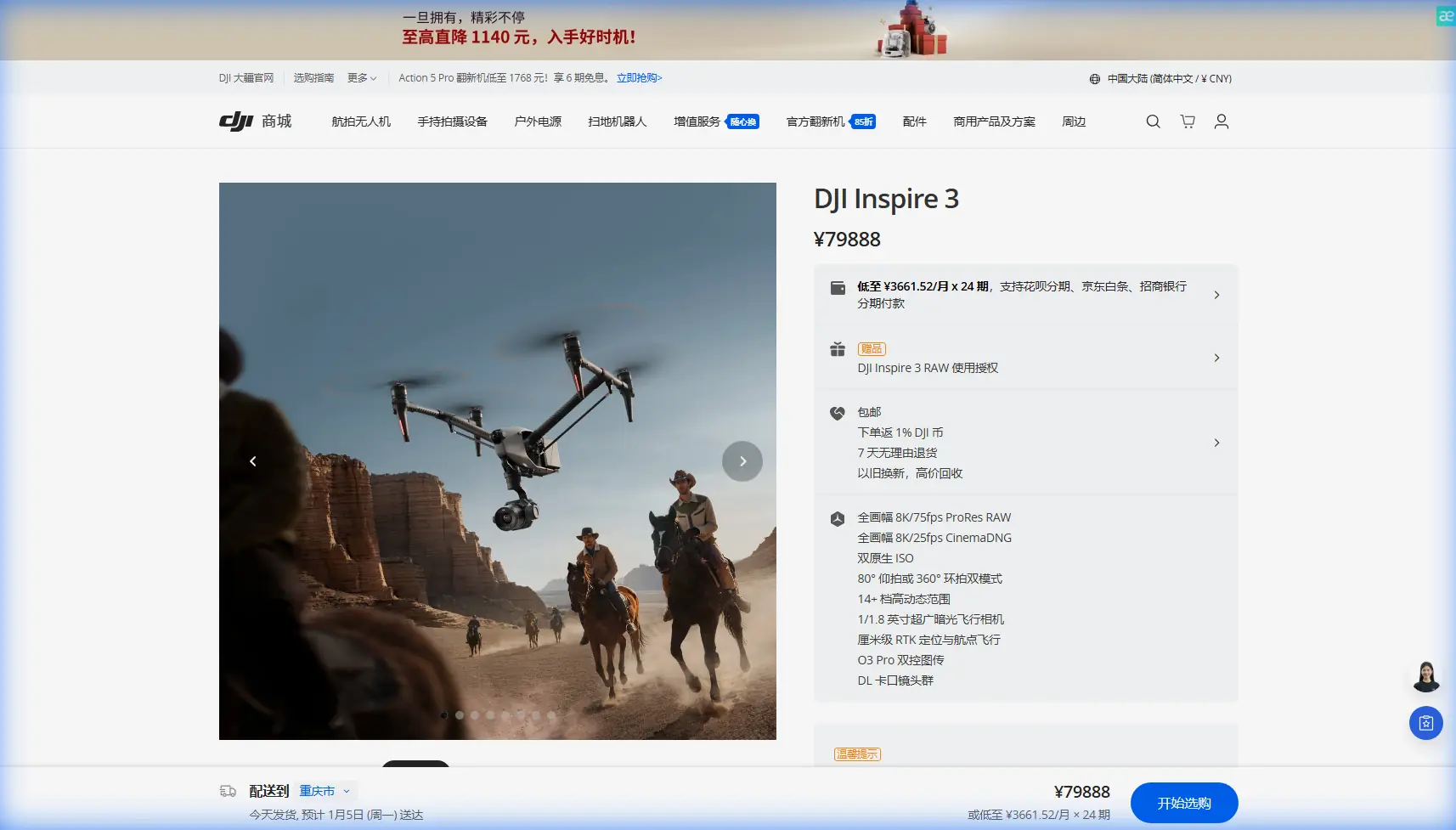
Inspire 3 on Coastal Construction Sites: A Field Report from the Edge of Wind, Salt, and Deadlines
META: Expert field report on using DJI Inspire 3 for filming coastal construction sites, with practical tips on wind, O3 transmission, hot-swap batteries, security, and third-party workflow upgrades.
Coastal construction looks cinematic from a distance. Steel rising out of mist. Concrete pours at dawn. Barges moving through flat gray water. Then you get on site with a drone and reality takes over.
Wind comes from two directions at once. Salt hangs in the air. Reflective surfaces confuse exposure. Schedules shift by the hour. And if you are flying to document progress rather than just collect pretty shots, every sortie has to serve a purpose. That is where the Inspire 3 separates itself from smaller platforms. Not because it makes flight easy, but because it makes demanding jobs manageable when the environment keeps trying to turn routine work into a reshoot.
I have spent enough time around marine-edge projects to know that the aircraft is only part of the story. The real question is whether the system can hold up under production pressure while still giving site teams, stakeholders, and marketers footage they can actually use. In that setting, the Inspire 3 earns its place through a combination of flight confidence, image control, operational speed, and a few workflow details that matter more in the field than they do on a spec sheet.
Why coastal construction is harder than it looks
Filming a tower build inland is one thing. Filming a waterfront piling operation or a reclamation project is another. The air is rarely stable. Wind shear near unfinished structures can create sudden lateral pushes. Salt mist gets on everything. Bright sky and dark deck surfaces in the same frame force your camera choices. The project itself often stretches over a large footprint, which means your transmission link and battery planning matter more than usual.
This is where the Inspire 3’s O3 transmission becomes operationally significant. On a coastal site, you are often working with cranes, temporary steel, container stacks, and moving equipment between you and the aircraft. A robust transmission system is not just a convenience. It is what keeps framing decisions calm and precise when line of sight gets visually cluttered. If you are trying to execute a clean orbit around a seawall installation while maintaining safe separation from active lifting operations, a stable live view changes the entire quality of the shoot.
The same goes for AES-256. People tend to treat encrypted transmission as a line item for security teams, but on construction jobs it has practical value beyond compliance language. Progress footage may reveal sequencing, subcontractor methods, site access arrangements, and project staging details that owners do not want casually exposed. If your operation involves sensitive commercial infrastructure, having AES-256 on the link is a meaningful control, not just a technical flourish.
The Inspire 3 advantage on recurring documentation flights
A lot of drone crews approach construction work as if it were a series of one-off creative jobs. Coastal projects punish that mindset. The teams that deliver the most value are the ones who can repeat camera paths, revisit milestones, and keep visual continuity over months.
The Inspire 3 is strong here because it is built for professional camera movement rather than improvised flight. You can fly dramatic reveals, yes, but the bigger win is consistency. Repeating elevation, angle, speed, and route over time creates footage that actually helps project managers and client teams see change. That is especially useful when documenting shoreline stabilization, quay wall progress, bridge segments, or phased steel erection, where visual comparison is more valuable than isolated hero shots.
I would also add that the aircraft’s hot-swap batteries are not a small detail on these jobs. They directly affect coverage efficiency. On coastal sites, there is often a narrow weather window where cloud texture, tide level, vessel traffic, and construction activity all line up. If you have to fully power down and reboot between every battery change, you lose momentum and sometimes lose the shot sequence. Hot-swap batteries let the crew turn aircraft around quickly while holding the production rhythm. On a site where crane picks happen on a strict schedule, those saved minutes are the difference between catching the operation cleanly and filming the aftermath.
Wind is the first client
The first thing I tell operators new to marine construction work is simple: stop treating wind as a background condition. It is the first client on the job. Everything else comes second.
The Inspire 3 has the authority and control feel needed for professional work in moving air, but good coastal flying still starts with shot design. Fly with intent. Keep lateral passes farther from structure edges than you would inland. Avoid exposing the aircraft to prolonged hover time in rotor-wash-like turbulence caused by high-rise frames or temporary façade barriers. Build sequences that let the aircraft move through disturbed air rather than fight it in place.
This also affects lens and framing choices. Wider compositions are often smarter than chasing compressed telephoto-style shots in gusty conditions. On progress documentation, a stable and readable shot is worth far more than a dramatic but inconsistent pass. The Inspire 3 gives you the control needed to stay cinematic without turning every move into a fight against the environment.
Salt changes your maintenance discipline
No one likes talking about maintenance because it sounds less glamorous than flight footage. On the coast, maintenance is what keeps your production schedule alive.
Salt exposure does not always show up as obvious contamination. Sometimes it is just a fine residue on landing gear, battery contacts, gimbal surfaces, or transport cases. The Inspire 3 can absolutely work in these environments, but coastal operation demands a tighter post-flight routine. Wipe-downs, visual inspection, careful battery handling, and transport discipline become part of the creative workflow, not separate from it.
That matters for image quality too. Tiny deposits on filters or lens surfaces are easier to miss when the light is flat and the site is chaotic. Then you get back to edit and wonder why the contrast looks inconsistent across a day’s worth of footage. Coastal jobs reward crews who behave more like camera departments and less like gadget enthusiasts.
When video is the main mission, mapping still sneaks in
The Inspire 3 is not the first aircraft most people name for photogrammetry, and that is fair. If your main deliverable is survey-grade mapping, you would normally reach for a platform and workflow built around that. But on construction sites, real jobs are messy. Video teams are often asked to capture secondary data products while they are already mobilized.
This is where understanding photogrammetry and GCP workflow matters, even for a cinema-oriented crew. You may not be using the Inspire 3 as your primary mapping machine, but knowing how GCP placement affects visual references can help you coordinate with the survey team and avoid disrupting their work. It also helps when your footage is later compared against orthomosaics, progress models, or engineering overlays. Operators who understand both cinematic capture and site measurement culture are more useful than those who only know how to chase smooth reveals.
If the project owner asks for a combined visual progress package, the best approach is often a two-track workflow: Inspire 3 for polished site storytelling and another mapping-specific platform for measured outputs. The value comes from alignment. Your aerial sequences should visually support the same milestones the photogrammetry team is documenting.
Thermal expectations need realism
The phrase “thermal signature” gets thrown around too loosely in drone circles. For coastal construction, thermal imaging can be useful in some civilian contexts such as moisture intrusion checks, envelope assessments, utility monitoring, or identifying heat anomalies in installed systems. But it is not the native reason to choose an Inspire 3.
That distinction matters because crews sometimes force a platform into a role it was not selected to perform. If your core mission is premium visual documentation of a coastal build, the Inspire 3 is exactly the kind of aircraft that makes sense. If thermal inspection is central to the deliverable, then the workflow needs to be built around a thermal-capable system and interpreted by people who understand the limitations of thermal signature data in sun-heated, salt-exposed environments. Concrete, wet surfaces, metal, and direct coastal sun can all complicate readings. In other words, use the right aircraft for the right evidence.
A third-party accessory that genuinely improved the job
One addition that made a noticeable difference on a recent coastal workflow was a high-bright remote monitor hood from a third-party accessory maker. It sounds minor. It was not.
Coastal glare is brutal. Water, white concrete, galvanized steel, and cloud breaks can wash out your ability to judge contrast and edge detail even when the monitor itself is bright. Adding a well-designed sun hood improved framing confidence and reduced the tendency to overcorrect exposure based on a partially washed-out screen. That translated directly into fewer retakes and better consistency between sequences filmed at different times of day.
This is a useful reminder that “enhanced capability” does not always mean adding some exotic payload. Sometimes the accessory that changes the result is the one that helps the operator see clearly enough to make good decisions. For practical recommendations tailored to a production setup, I’ve found this direct WhatsApp line useful when sourcing field-ready accessories and support.
BVLOS talk versus real construction operations
BVLOS comes up in almost every serious conversation about large-site drone work now. It has obvious relevance when a coastal project stretches across a long corridor or waterfront asset. But for most construction filming teams, the operational lesson is not “fly farther.” It is “plan smarter.”
Even when regulations, permissions, and procedures are in place, distance does not automatically improve documentation. What matters is disciplined segmentation of the site, safe launch positioning, clear communication with site management, and a transmission link you trust. The Inspire 3’s O3 system supports confidence over larger and more complex operating spaces, but that should lead to cleaner mission planning, not casual overextension.
The best coastal drone crews are boring in the right ways. They coordinate with marine traffic managers if needed. They know crane exclusion zones. They brief around reflective hazards and GPS environment changes. They stage batteries and landing areas before the action begins. Then they use the Inspire 3 to make the result look effortless.
What the footage needs to accomplish
Construction video has a habit of getting trapped between two weak outcomes. It is either too cinematic to be useful or too sterile to be memorable. The Inspire 3 gives you enough control to avoid both.
For developers and contractors, footage should show sequencing, logistics, scale, and progress clearly. For marketing teams, it should also communicate ambition and momentum. On a coastal site, that often means pairing wide environmental context with closer, deliberate passes that reveal technical work: pile driving rigs in position, rebar staging near seawalls, slab progress against the waterline, façade installation under changing weather.
The aircraft is strong because it can deliver that polished visual language without turning the operation into a fragile production. It is built for repeated, professional capture in the kind of conditions where lesser setups start burning time.
Final field take
If your assignment is filming construction sites in coastal conditions, the Inspire 3 is at its best when you stop thinking of it as only a cinema drone and start treating it as a production system. O3 transmission matters because cluttered, wind-exposed jobsites demand stable control and confident live view. AES-256 matters because commercial site footage often contains sensitive operational detail. Hot-swap batteries matter because weather and construction activity rarely wait for leisurely turnarounds.
Pair that with disciplined maintenance, realistic expectations around thermal work, respect for photogrammetry workflows, and a few smart accessories, and the aircraft becomes more than a camera in the sky. It becomes a dependable tool for documenting complicated projects where environment, schedule, and visual standards all collide.
That is the real test on the coast. Not whether the drone can fly. Whether it can keep delivering when the site stops behaving like a brochure.
Ready for your own Inspire 3? Contact our team for expert consultation.