
DJI Inspire 3 for High-Altitude Vineyard Filming
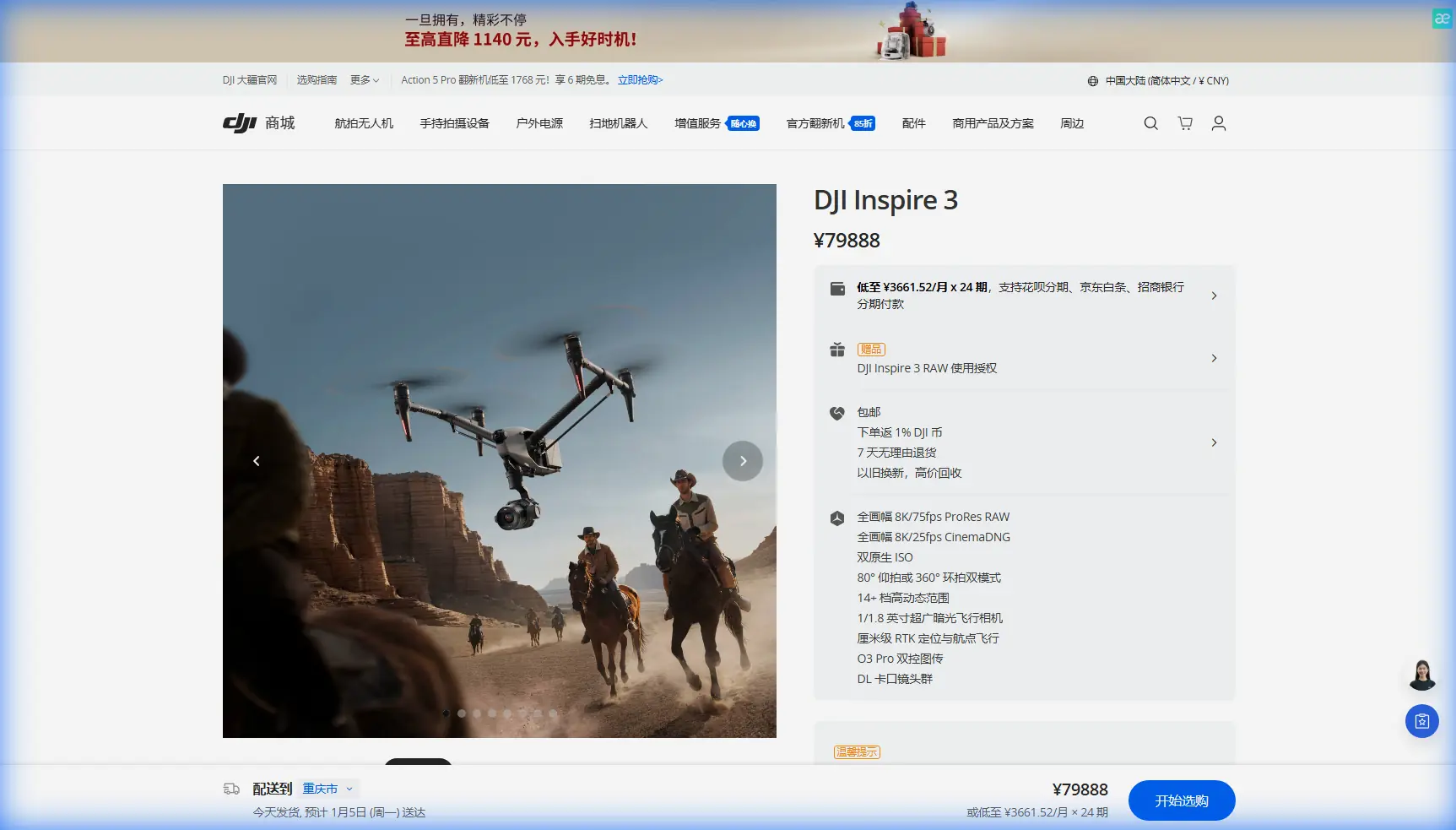
DJI Inspire 3 for High-Altitude Vineyard Filming: Flight Altitude, Signal Reliability, and Practical Setup
META: Expert guide to using the Inspire 3 for filming vineyards at high altitude, with optimal flight altitude tips, O3 transmission insights, hot-swap battery workflow, and secure production practices.
Filming vineyards in the mountains looks simple on paper. It rarely is.
Terraced rows, steep grades, wind spilling over ridgelines, patchy GNSS reception near rock faces, and long linear shots that tempt pilots to push farther than the site really allows. Add changing light at elevation and the job becomes less about getting pretty footage and more about managing a chain of small technical decisions that protect image quality, continuity, and operational margin.
That is where the Inspire 3 earns its place.
For vineyard work at high altitude, the aircraft is not just a camera platform. It is a production tool that solves a very specific problem: how to capture smooth, repeatable, cinema-grade movement over difficult terrain without compromising the pace of the shoot. The real value is not one headline spec. It is how several capabilities work together in the field, especially O3 transmission, AES-256-secured links, and the dual battery hot-swap workflow.
Below is the way I would approach Inspire 3 deployment for this exact scenario.
The core problem in mountain vineyards
Most vineyard aerial shoots ask for three things at once:
- Long tracking shots along vine rows
- Low-angle reveals over terrain changes
- Repeatable passes during narrow windows of useful light
At high altitude, each one gets harder.
Air density drops, which affects propulsive efficiency and changes the aircraft’s feel. Winds can be calm at launch and unsettled one terrace higher. Exposure shifts faster because the slope angle changes how the vines catch early or late sun. If the director wants multiple takes of the same path, battery changes and relaunch timing start to matter more than people expect.
A lesser platform can capture parts of the assignment. The Inspire 3 is better suited when the brief requires continuity and control across a demanding site.
The flight altitude most crews get wrong
When people ask for the “optimal” flight altitude for vineyard filming, they usually expect one number. On location, that is the wrong mindset.
In a high-altitude vineyard, your best working altitude is usually defined relative to the canopy, not relative to the takeoff point. For most cinematic row-following shots, I advise treating 8 to 18 meters above canopy as the primary operating band, then adjusting based on lens choice, slope, and wind behavior.
Why that range works:
- Below about 8 meters above canopy, rotor wash starts to become a practical issue in lighter foliage, especially when flying slowly or braking for reframing. You also lose margin when the terrain rises unexpectedly.
- Above about 18 meters, the rows flatten visually unless you are deliberately chasing a larger geographic reveal. The vineyard starts to read as texture rather than structure.
That does not mean every shot should live there. It means this band is where vineyard geometry often looks best while the aircraft still has enough room to stay smooth over changing ground.
For broad establishing shots in mountain wine country, I usually move higher, often 30 to 60 meters above the nearest terrain reference, not to show more sky, but to separate the vineyard from the landscape layers behind it. At high altitude, the background matters: ridgelines, access roads, retaining walls, irrigation lines, and neighboring blocks all help tell the story of the site.
The operational significance is straightforward. Flying too low reduces safety margin and can degrade shot consistency. Flying too high makes the vineyard less legible. The sweet spot preserves both visual rhythm and piloting control.
Why the Inspire 3 fits this job
The Inspire 3 is especially useful in vineyards because the site itself keeps trying to interrupt clean motion. Long rows pull you forward. Slopes force frequent altitude corrections. Wind over contour lines introduces tiny disturbances that become obvious in lateral tracking shots.
What you need is stable command and a workflow that does not collapse every time you change batteries.
O3 transmission matters more in vineyards than many teams realize
The Inspire 3’s O3 transmission system is one of the features that actually changes how confidently you can work on a fragmented agricultural site. Vineyards are full of visual obstructions that are not always obvious from the launch area: tree belts, utility structures, cellar buildings, rising terrain, and folds in the hillside.
A reliable transmission link helps in two ways.
First, it protects shot quality. If your downlink is unstable, subtle framing corrections get delayed or second-guessed. That is exactly how otherwise elegant row passes end up with micro-adjustments that feel nervous in the final edit.
Second, it improves coordination between pilot and camera operator. On vineyard projects, the best shots often happen when the aircraft path and gimbal intent are doing different things. You may be crabbing across a slope while the camera holds a diagonal look down the rows. That only works when the crew trusts what they are seeing in real time.
In practical terms, O3 is not just a spec-sheet talking point. It gives the crew a stronger operating picture in terrain where line quality and perspective shift quickly.
AES-256 is not abstract security
The Inspire 3’s AES-256 support is also worth mentioning, especially for commercial vineyard work.
A premium winery is not just farmland. It can be a private estate, an active production site, a branded hospitality location, or all three. Shoots may involve unreleased campaign material, site layouts, guest areas, and proprietary production spaces. Securing the transmission path is not only good practice; on some jobs it is part of the production requirement.
Operationally, that means the aircraft can fit more comfortably into professional environments where confidentiality matters. You are not only managing flight safety. You are managing the integrity of the visual material moving through the link during capture.
That matters when the client is not just asking for beautiful imagery, but also discretion.
Hot-swap batteries are a real production advantage
This is one of the details crews tend to underestimate until they work on a mountain site with fast-changing light.
The Inspire 3’s hot-swap battery workflow lets you keep the aircraft powered during battery replacement. On a vineyard job, that is not convenience for convenience’s sake. It directly affects shot repeatability.
Imagine you have sunrise light striking one side of a terraced block for maybe eight minutes in a useful way. The director wants a second pass with a slightly lower gimbal angle and a slower entry speed. If your battery change forces a cold reset of the aircraft and interrupts the timing of your setup, that window can disappear.
Hot-swapping helps preserve continuity in these moments. You can land, replace batteries, and get back into the air with far less friction than a stop-start workflow. For repeated passes over long rows or coordinated movements around a winery building, this can be the difference between matching the previous take and spending the next hour trying to fake consistency.
That is the operational significance: less downtime, better continuity, and more realistic control over short lighting windows.
A practical altitude strategy for vineyard filming
Here is the framework I use instead of trying to force one universal altitude.
1. Hero row-tracking shots
Fly roughly 8 to 18 meters above canopy, depending on slope and desired parallax.
This range keeps the row pattern readable. It also allows vines, posts, and terrain undulations to create the kind of depth that makes vineyard footage feel tactile rather than generic. If wind is variable, bias slightly higher within that band to preserve margin.
2. Diagonal terrace reveals
Work higher than your instinct suggests, often 20 to 35 meters above canopy.
Terraced vineyards can look cluttered when flown too low because walls, access tracks, and row direction compete for attention. A modest altitude increase often cleans up the geometry and shows how the terraces stack into the hillside.
3. Estate context shots
Use 30 to 60 meters above local terrain.
This is the range where the vineyard starts to relate properly to the cellar, roads, topography, and surrounding mountains. You are no longer filming rows alone. You are filming the vineyard as a place.
4. Steep-slope correction
Do not set altitude from takeoff point and forget it.
On steep sites, the aircraft can appear safe from the launch area while actually compressing its clearance over the uphill section of a shot. If your route climbs with the terrain, build your path around canopy-relative clearance, not absolute readout alone.
That is the difference between a smooth planned move and a shot where the aircraft keeps “hunting” vertically because the terrain profile was underestimated.
What about thermal signature, photogrammetry, and GCPs?
For a pure cinema brief, these are not always central. But they can become useful on mixed-purpose vineyard projects.
Thermal signature
If the assignment includes agronomic storytelling, irrigation visualization, or facility infrastructure context, thermal signature work can complement the main footage. It can help identify stress patterns or temperature-related contrasts in non-cinematic survey segments. That said, this is adjacent to the Inspire 3’s typical filmmaking role rather than the primary reason to choose it.
Photogrammetry and GCPs
Some vineyard clients want more than marketing footage. They may also want terrain understanding, slope visualization, or a site model for planning tourism, drainage, or presentation materials. In those cases, photogrammetry can sit alongside the filming mission, and GCPs can improve positional reliability for mapping outputs.
The caution here is simple: cinematic flight altitude and photogrammetry altitude are not the same thing. Do not try to force one mission profile to do both well. Capture the film sequence for image narrative, then plan a separate data-collection profile if the project truly needs measurable site reconstruction.
Signal discipline in ridge country
High-altitude vineyards often create false confidence. You can see far, so you assume the link will behave perfectly. But ridges and folds in the land can degrade the practical quality of the operating picture even when the site looks open.
For that reason:
- Launch from a point that preserves the cleanest possible relation to the main shooting corridor.
- Avoid letting the route disappear behind slope transitions during long lateral moves.
- Build repeated passes in one corridor before relocating, instead of hopping between disconnected positions.
This is where a robust transmission system pays off. Even so, smart site positioning remains part of the job. Technology helps. It does not erase terrain.
Is BVLOS relevant here?
For most vineyard filming assignments, especially in scenic mountain estates, BVLOS is not the first place to focus. The real challenge is usually maintaining safe, controlled, visual operations in complex terrain while getting the shot. If a broader survey framework enters the discussion, regulatory and site-specific requirements become decisive. For cinema work, keep the plan grounded in lawful, clearly visual operations and design the route around the landscape rather than around maximum theoretical reach.
A production workflow that actually works
If I were briefing a crew for this type of shoot, I would keep it simple:
- Scout the terrain for row direction, slope breaks, and launch options.
- Set your primary cinematic band at 8 to 18 meters above canopy for row work.
- Reserve higher passes for context and terrace geometry.
- Use the Inspire 3’s hot-swap workflow to repeat key movements while the light is still usable.
- Treat O3 transmission as a tool for cleaner crew coordination, not merely distance.
- Use AES-256 where client confidentiality or sensitive estate access makes secure transmission a practical requirement.
That combination is why the Inspire 3 makes sense here. Not because it is “advanced” in a vague way, but because its features directly support the realities of filming vineyards on difficult terrain.
If you are planning a mountain vineyard project and want a second opinion on route design, altitude planning, or camera movement strategy, you can message the team here.
The best Inspire 3 vineyard footage usually comes from restraint. Not from flying higher, farther, or faster than necessary. Read the canopy. Respect the slope. Use altitude as a storytelling tool, not a habit.
That is how the vineyard keeps its shape on screen.
Ready for your own Inspire 3? Contact our team for expert consultation.