
How to Film Wildlife in Windy Conditions With the DJI Inspir
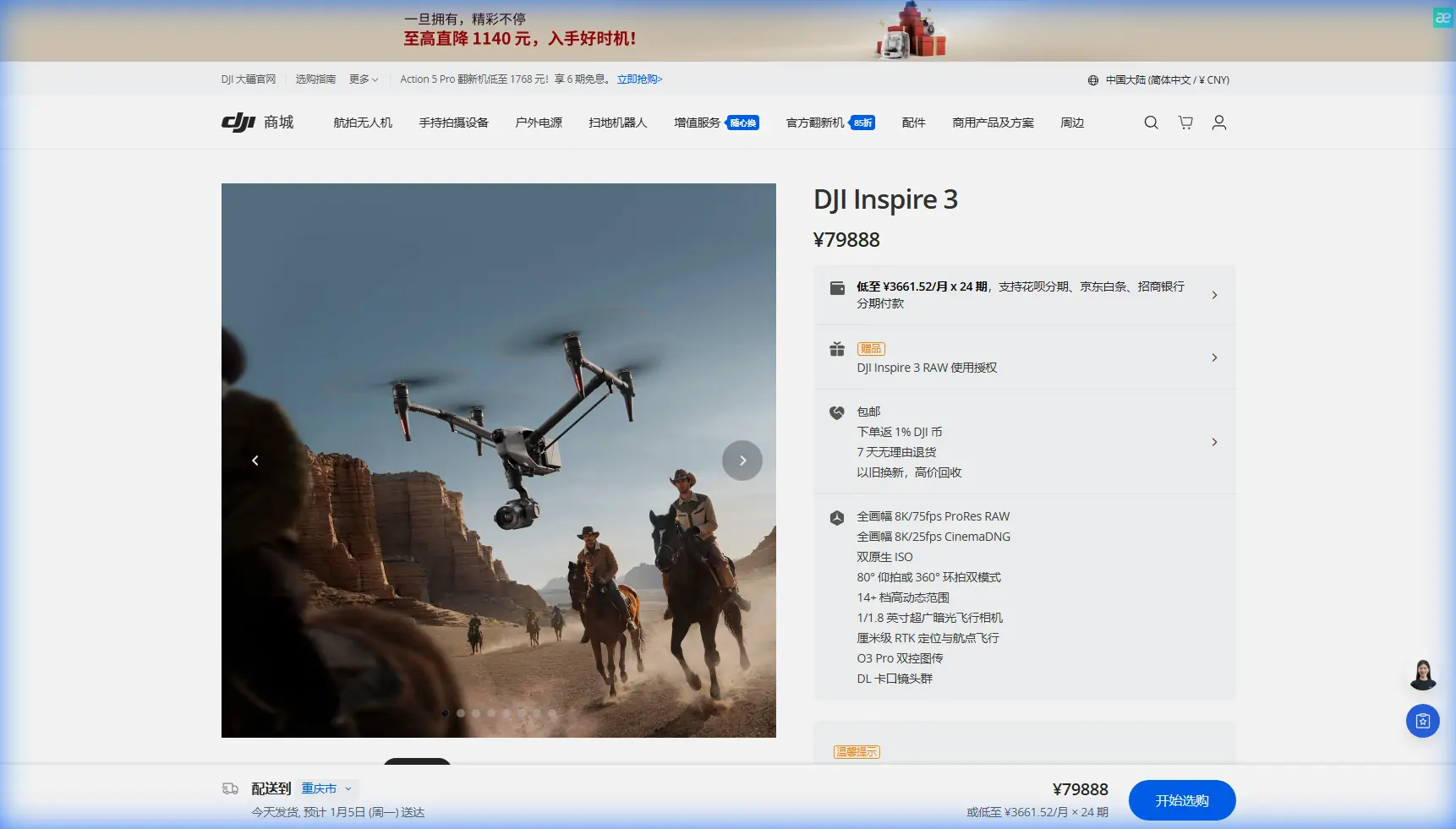
How to Film Wildlife in Windy Conditions With the DJI Inspire 3
META: Expert tutorial on using the Inspire 3 for wildlife filming in wind, with practical advice on antenna positioning, O3 transmission, hot-swap batteries, flight planning, and stable long-lens operation.
Wind changes everything in wildlife cinematography. It alters animal behavior, softens control margins, shortens safe hover windows, and exposes every weak point in your flight setup. The DJI Inspire 3 is one of the few platforms that can still deliver disciplined, cinematic results when the air gets restless, but only if the operator treats it like a professional aircraft rather than a flying camera.
I’m writing this for crews and solo operators planning to film wildlife in exposed terrain: coastlines, grasslands, alpine ridges, marsh edges, or open desert where gusts arrive sideways and without warning. The Inspire 3 can absolutely work here. It just rewards preparation more than improvisation.
What matters most is not raw confidence. It is control authority, link stability, battery discipline, and a camera strategy that respects what wind does to both the aircraft and the subject.
Start With the Limiting Factor, Not the Shot List
When people plan wildlife sequences, they usually begin with lens choice, movement, and the time of day. In wind, the limiting factor is usually neither the camera nor the animal. It is the combined stability of the aircraft, signal path, and operator position.
That is where the Inspire 3 separates itself from smaller platforms. Its professional airframe, stronger flight behavior, and dual-battery architecture give it a much better foundation for gusty work. The hot-swap battery system is not just a convenience on long field days. Operationally, it means you can keep the aircraft powered while replacing packs between sorties, preserving setup continuity and reducing the downtime that often causes missed wildlife behavior windows. If you are waiting on a raptor to re-approach a perch or a herd to cross a ridgeline, those saved minutes matter.
The same goes for O3 transmission. In windy locations, your positioning on the ground is rarely ideal. You may be tucked behind scrub, kneeling below a dune crest, or holding a line near a vehicle to stay concealed from animals. O3 transmission gives you a more robust control and video link than many operators are used to on consumer systems, but range on paper is not the point. Signal quality in compromised field positions is the point. A stable link lets you focus on animal movement, framing, and obstacle awareness rather than fighting momentary breakup.
For sensitive documentary work, the built-in use of AES-256-grade security is also relevant. Most wildlife crews think of transmission only in terms of distance and latency. But if you are working on restricted land, research projects, conservation operations, or protected habitats with limited-access location data, secured transmission becomes more than a technical footnote. It is part of responsible field practice.
Antenna Positioning: The Detail That Quietly Saves Flights
Let’s get to the practical issue that gets ignored until the feed drops: antenna positioning.
If you want maximum usable range and the strongest possible link in wind, do not aim the tips of the controller antennas at the aircraft. That is the mistake I see most often. With systems like O3, the strongest radiation pattern is generally broadside to the antenna faces, not directly off the ends. In simple terms, you want the flat sides of the antenna orientation presented toward the aircraft’s flight path whenever possible.
In the field, that means three habits:
First, position your body before takeoff so your expected working area is in front of you, not off your shoulder. If the aircraft will be tracking along a shoreline from left to right at 300 to 500 meters out, set yourself so that whole corridor lives inside your comfortable front-facing arc. Twisting your torso through half the flight usually degrades antenna orientation without the pilot realizing it.
Second, avoid masking your own signal. Vehicles, rock walls, tree trunks, metal tripods, and even your body can interfere with the link. If you are crouching for concealment, remember that low posture can put grass, brush, or terrain undulations directly into the transmission path. Sometimes standing one meter higher does more for real-world signal integrity than moving 50 meters closer.
Third, in gusty conditions, expect the aircraft to yaw and crab. The Inspire 3 may not point exactly where it is traveling. That matters because your assumption about line-of-sight can become false during crosswind segments. If you are filming a fox moving across a hillside while the aircraft is fighting a lateral gust, maintain antenna alignment with the actual aircraft position, not the direction the lens appears to be facing on screen.
This sounds minor. It is not. Better antenna discipline reduces control interruptions, supports cleaner monitoring, and allows you to make conservative shot decisions before a signal issue becomes a flight issue. If you want help planning a field setup around your terrain, a quick message via our WhatsApp flight support channel is often faster than troubleshooting after a failed sortie.
Wind Changes Animal Filming More Than It Changes Drone Handling
A common operator error is to think only about whether the Inspire 3 can tolerate the wind. The more useful question is whether the wildlife subject will behave predictably in that same wind.
Birds often gain lift advantage near ridges and cliffs, but they also make sharper, less forgiving directional changes. Ungulates bunch differently in open gusts than they do in calm light. Waterfowl may hold lower and tighter to leeward cover. If you launch with a generic cinematic plan, you tend to overfly, overcorrect, and miss the behavior that actually tells the story.
The better method is to identify the wind structure before you plan the orbit, reveal, or tracking move. Where is the lee side? Where are the sheltered approach lanes? Which direction is likely to produce repeatable animal movement?
This matters because wind-safe wildlife filming is usually less about dynamic stick work and more about preselecting a path that minimizes aircraft correction. Every correction shows up in the footage eventually. Even with a high-end platform, persistent gust loading changes your micro-movements, your gimbal recovery, and the confidence with which you can hold a long lens composition.
Build Your Flight Around Stable Segments
When the air is unstable, I recommend dividing each mission into short, intentional segments rather than trying to improvise a complete scene in one pass.
Use a first segment to assess drift, hover confidence, and real transmission behavior at your intended working distance. Do this before the critical action starts if at all possible. A second segment is for the establishing or environmental pass. The third is where you commit to the close behavioral sequence, assuming the conditions remain within your safety margins.
This segmented approach works especially well with the Inspire 3 because the platform is designed for professional pacing. Again, hot-swap batteries matter operationally here. Instead of shutting down, cooling off, and rebuilding rhythm from zero, you can cycle packs efficiently and keep the aircraft ready while the wildlife window remains active.
That is not just a comfort feature. It changes how you manage field probability.
Use Motion Sparingly When the Subject Is Already Dynamic
In calm conditions, a moving camera can add elegance. In wind, the air is already injecting motion into the frame. Trees pulse. Grass shimmers. feathers ruffle. Water breaks irregularly. Clouds move faster than expected. If the animal is also moving, an aggressive drone move can make the footage feel busy instead of intentional.
With the Inspire 3, one of the smartest choices in windy wildlife work is often restraint. Hold cleaner lateral tracks. Extend static or near-static compositions. Let the aircraft settle before beginning a move. If the wind is variable, prioritize depth and timing over speed.
The aircraft’s professional imaging system gives you enough visual sophistication that you do not need to prove the shot with constant movement. Strong wildlife footage often comes from patience, not stick choreography.
Plan Battery Strategy Around Headwinds, Not Average Flight Time
Wind punishes return legs. I tell operators to stop thinking in terms of total airtime and start thinking in terms of energy reserve against the worst headwind on the route home.
The Inspire 3’s battery system is one of its biggest assets in the field, but it does not repeal physics. If your outbound leg benefits from a tailwind, your return may consume battery at a surprisingly faster rate, especially if you have descended into a corridor that funnels the air. Wildlife crews working in valleys and coastal cuts learn this quickly.
So before takeoff, determine your conservative turn-back threshold. Not the optimistic one. The conservative one. If the shot is still developing when you hit that point, land and reset. The hot-swap design makes that discipline easier to follow because the penalty for stopping is lower than with platforms that require a full power cycle and lengthy interruption.
Respect Noise and Pressure on the Subject
Wind can mask drone sound to a degree, but it does not make the aircraft invisible or irrelevant. Some animals become less reactive acoustically in gusty conditions; others become more vigilant because the environment is already noisy and uncertain.
The rule here is simple: use wind as cover, not as permission.
Approach from angles that avoid pushing the animal into open exposure. Stay high enough to observe the first behavioral cues before committing closer. If the subject changes gait, posture, or head movement because of your aircraft, that is already useful information. Back off and reassess. A technically stable Inspire 3 shot is still a failed wildlife shot if the animal’s natural behavior has been altered by your presence.
Where Thermal and Mapping Work Fit In
Although this is a filming tutorial, there are adjacent operational tools worth mentioning. Thermal signature analysis can be relevant during scouting, especially around dawn, dusk, or in habitats where visual detection is poor. Not every wildlife film team uses thermal workflows, but when they do, it improves route planning and reduces unnecessary air time over sensitive areas.
Photogrammetry and GCP-based mapping also have a place, particularly for repeat-location filming in conservation, habitat monitoring, or terrain previsualization. If you are documenting a migration corridor, nesting zone perimeter, or floodplain habitat over time, a mapped site model can help you identify safer launch points, cleaner approach lanes, and more reliable signal corridors. In windy environments, knowing the terrain-induced airflow tendencies ahead of the shoot can save both time and battery.
BVLOS enters the conversation only in tightly controlled, properly authorized operations. For most wildlife cinematographers, that will not be the default mode. But understanding how professional long-range workflows are structured helps even for standard visual line-of-sight missions: better observer positioning, cleaner communication, and more disciplined route design.
A Practical Field Setup for Windy Wildlife Work
If I were setting up an Inspire 3 for a windy wildlife session tomorrow, my checklist would look like this:
Arrive early enough to watch both the animals and the wind before launching. Pick a pilot position with unobstructed line-of-sight and strong antenna geometry, not merely the closest point to the subject. Confirm your likely return leg against the strongest headwind, not the easiest outbound route. Use your first sortie as a calibration pass. Keep shots simpler than your calm-weather instinct suggests. Rotate batteries efficiently and preserve continuity using the hot-swap system. Treat O3 transmission as a professional safety margin, not an excuse to get lazy about terrain and alignment. And above all, let the subject’s behavior decide whether the flight deserves to continue.
That mindset is what turns the Inspire 3 from an impressive aircraft into a reliable wildlife production tool.
The aircraft brings serious advantages: a professional transmission system, secure signal handling, rapid battery turnover, and the control precision needed for high-stakes environments. But windy wildlife filming is still earned, not granted. If you manage signal discipline, battery planning, and animal pressure with the same care you give composition, the Inspire 3 becomes exceptionally capable in conditions that expose weaker platforms very quickly.
Ready for your own Inspire 3? Contact our team for expert consultation.