
Inspire 3 for Remote Highway Scouting: Wiring Discipline
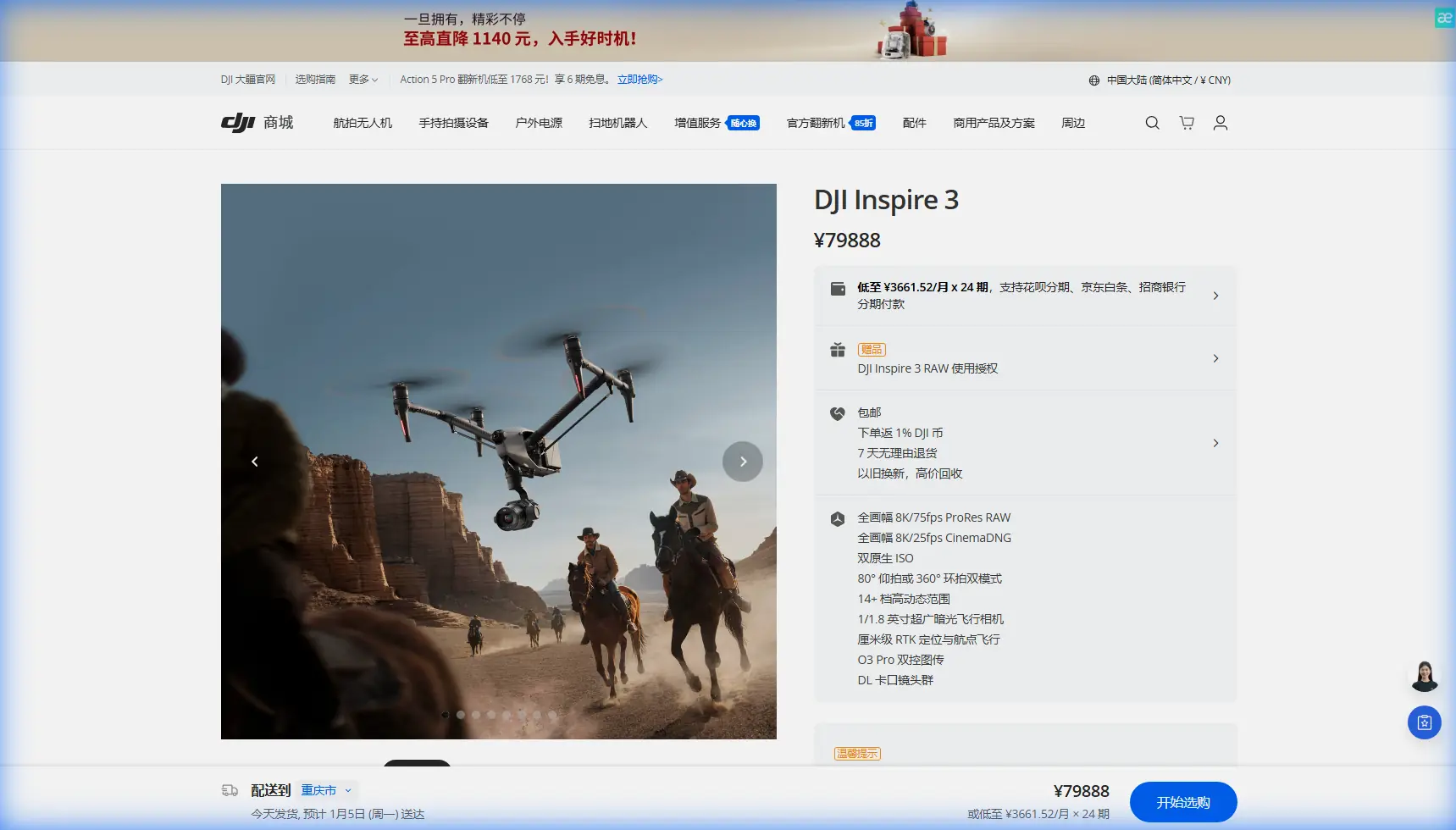
Inspire 3 for Remote Highway Scouting: Wiring Discipline, Sensor Reliability, and a Field Workflow That Holds Up
META: Expert how-to for using Inspire 3 in remote highway scouting, with practical guidance on wiring protection, thermal and photogrammetry workflow, O3 transmission, AES-256 security, and field reliability.
Remote highway scouting is rarely about the drone alone. The aircraft gets the attention, but the mission is won or lost by everything that keeps its sensor stack reliable when you are hours from the nearest workshop.
That is the right lens for evaluating the Inspire 3.
For teams surveying proposed road corridors, checking slopes, documenting culverts, or building photogrammetry sets in isolated terrain, the Inspire 3 brings obvious strengths: stable image capture, modern transmission, secure data links, and a practical battery workflow for repeated sorties. Yet the deeper story is more technical. If you want dependable thermal signature review, accurate overlap for mapping, and fewer false faults in the field, you have to think like an avionics integrator, not just a pilot.
The reference material behind this article points to a principle that matters more than most operators realize: cable routing, insulation protection, and contamination control are not back-shop details. They directly affect image reliability, downlink consistency, and long-day survivability.
Why remote highway scouting stresses a drone system differently
Highway work in remote areas creates a peculiar mix of demands.
One leg of the mission may be classic photogrammetry: consistent altitude, controlled overlap, planned turns, and enough margin for later GCP alignment. The next leg might shift into visual inspection, looking at drainage paths, shoulder erosion, rockfall risk, or vegetation encroachment. On some assignments, thermal signature review helps identify moisture intrusion near structures, sun-heated surface irregularities, or heat contrast around electrical roadside assets.
The terrain compounds all of it. Long linear routes tempt crews to stretch distance. Wind channels through cuts and ridgelines. Dust and plant debris collect on equipment. Vehicles become mobile launch sites. Repeated assembly and packing cycles put stress on every connector, cable path, and protective sleeve.
That is where Inspire 3 field discipline matters. Features like O3 transmission and AES-256 are useful on paper, but they only become meaningful when the whole aircraft and payload system remain electrically clean and mechanically protected over many sorties.
The quiet lesson from aircraft wiring standards
The source material comes from traditional aircraft design manuals, not marketing copy. That matters. These manuals treat wire bundles, antenna protection, and installation sequencing as safety-critical basics.
One detail stands out immediately: wire bundles should maintain at least 10 mm of clearance from moving structures. Another is just as practical: where a small bundle touches a sharp structural edge, it should be isolated with protective material, and any wrap should extend at least 20 mm beyond the contact area.
On a remote highway operation, that translates into a habit that many drone teams skip. Every time the Inspire 3 is unpacked, payloads are fitted, and support accessories are checked, you should visually confirm that no cable run, accessory lead, or protective sleeve has shifted into a pinch point or abrasion zone. It sounds mundane until a slightly chafed lead begins causing intermittent sensor behavior in the middle of a corridor mission.
The same source also specifies that a wire bundle’s minimum bend radius should be greater than twice its outer diameter, while a coaxial cable should not be bent tighter than five times its outer diameter. Operationally, this is not abstract engineering. It means that repeated tight folding of accessory cables, antenna-related leads, or payload-adjacent wiring can quietly reduce reliability long before a visible break appears.
For Inspire 3 crews running repeated highway scouting flights, that should shape the packing routine:
- avoid hard creases in any support cable
- do not force connectors into storage positions that put them under constant side load
- inspect any routed lead after transport over rough roads
- never treat “it still powers on” as proof that the electrical path is healthy
Intermittent faults are the ones that waste mission days.
What thermal and visual scouting really require from the platform
The reader scenario here is remote highway scouting, not cinematic flying. So the useful question is not whether the Inspire 3 is “powerful.” It is whether it can support repeatable sensing under field pressure.
For visual corridor assessment, photogrammetry demands consistency. Stable passes, repeatable geometry, and dependable transmission are what let a team come home with usable data instead of attractive but incomplete imagery. If your mission depends on GCP-backed reconstruction, even small disruptions matter. A dropped segment, a rushed battery swap, or an overlooked connection issue can break continuity and force reflight.
For thermal signature work, reliability gets even more unforgiving. Thermal interpretation is only as good as the capture conditions and the sensor path behind them. A loose or stressed component does not always fail dramatically. Sometimes it introduces subtle instability, frame inconsistency, or signal interruption that makes later analysis less trustworthy.
This is why classic aircraft installation guidance is surprisingly relevant to an advanced drone like the Inspire 3. The manuals emphasize that line runs between fixed points should not be pulled too tight, specifically to avoid conductor damage. In field terms: leave no part of your support setup under tension simply because it “fits” that way in the case.
Remote scouting is all repetition. Repetition exposes every shortcut.
Heat-shrink selection is not trivial in dusty corridor work
The second reference source deals with heat-shrink tubing, and it offers several facts with direct field relevance.
One category of tubing is applied at 120–130°C and is used for terminal and connector insulation, harness protection, and marking. It is described as semi-rigid and wear-resistant, with a continuous operating range of -55 to 135°C. Another type in the same temperature-shrink band is softer and more flexible, intended mainly for harness insulation and identification over the same -55 to 135°C range. A more robust option shrinks around 200°C, is stronger and more wear-resistant, and supports continuous use up to 175°C. There is also a high-temperature fluororubber option for harsher zones, rated for continuous use from -55 to 200°C, with resistance to heat, humidity, solvents, and abrasion.
Why should an Inspire 3 operator care?
Because remote highway scouting often involves exactly the conditions that punish poor protection choices: vibration in transport, dust, repeated unpacking, temperature swings, and occasional exposure to oils or contaminants from support vehicles and roadside machinery. If you are maintaining support harnesses, labeling field cables, or protecting vulnerable sections of peripheral wiring in a professional operation, material choice determines whether the protection remains intact after a month of real work.
The source text also notes oil and kerosene resistance testing in which tubing showed no visible change after immersion, while maintaining dielectric performance. That kind of resilience matters less on a clean office bench than on a roadside staging area where gear may be handled with contaminated gloves or set down on dusty vehicle surfaces.
A serious Inspire 3 crew does not improvise cable protection with whatever sleeve is nearby. They choose the right stiffness, shrink temperature, flexibility, and abrasion resistance for the job.
A practical Inspire 3 workflow for remote highway scouting
Here is the field method I recommend when the assignment is a remote corridor and the aircraft has to perform all day.
1. Start with a contamination check, not a power-on check
One of the aircraft references is explicit: antenna-related surfaces should not be installed if contaminated with oil or similar residues, and cleaning must be done properly rather than crudely blasting debris away. It also warns against cleaning equipment with compressed air.
That is a useful discipline for Inspire 3 crews. Before first launch, inspect key exterior surfaces and connection points for:
- dust packed into seams
- oily residue from vehicle transport
- moisture after early-morning staging
- grass fragments or insect debris around exposed areas
Do not use aggressive blow-out habits that can push contamination deeper into sensitive areas. Wipe and clean deliberately.
This is especially relevant if your route starts before sunrise and shifts into warmer daylight. Condensation and dust can arrive together.
2. Verify cable freedom around moving assemblies
The source requirement for a 10 mm clearance from moving structures is a reminder to inspect around any articulated or moving section before launch. On a drone, the exact geometry differs from manned aircraft, but the principle is the same: nothing should rub, snag, or sit close enough to contact during movement, vibration, or packing stress recovery.
This is one of those five-second inspections that prevents the expensive afternoon.
3. Plan the mission as two datasets, not one
For highway scouting, crews often blur inspection and mapping into a single flight. That works until neither dataset is clean enough.
Use one structured block or corridor plan for photogrammetry with the overlap and altitude discipline you need for later reconstruction and GCP integration. Then run a separate interpretive pass for closer visual review or thermal signature observations where needed. Inspire 3 is valuable here because it can move between roles efficiently without the aircraft feeling like a compromise platform.
The operational significance is simple: mapping wants consistency; inspection wants judgment. Combining them carelessly weakens both.
4. Use O3 transmission as a risk-management tool, not an excuse to stretch
Strong transmission helps when scouting long road alignments through uneven terrain. O3 improves the operator’s confidence in maintaining a stable link across variable topography. But in remote highway work, confidence can become drift. A robust downlink is not permission to erode your safety buffer, especially where ridgelines, cuts, or vegetation corridors can alter signal behavior.
Treat transmission quality as a way to preserve image continuity and crew situational awareness, not as a dare.
For teams building workflows around extended corridor operations and future BVLOS pathways, this mindset matters. Good links support good decisions. They do not replace them.
5. Use hot-swap battery capability to preserve tempo
Highway scouting punishes downtime. If your subject is spread across kilometers of terrain and access roads are rough, every break in pace costs real daylight.
Hot-swap batteries on the Inspire 3 matter here because they let you keep the aircraft in a productive rhythm. The real advantage is not convenience. It is continuity. You can land, cycle power-related tasks efficiently, confirm the next segment, and relaunch with less disruption to the mission logic.
That becomes especially valuable when the morning light is ideal for surface definition, or when thermal contrast is strongest within a narrow time window.
6. Protect route and asset data with AES-256
Remote highway surveys often involve pre-construction routes, critical infrastructure corridors, or commercially sensitive inspection findings. Secure transmission is not a luxury feature in that context.
AES-256 matters because it protects the operational chain around image and route data. For contractors, utilities, and engineering groups, this reduces exposure when multiple stakeholders are involved and the mission area itself has planning sensitivity.
That may not change how the Inspire 3 flies, but it absolutely changes how comfortable a client feels about what is being captured and transmitted.
The wildlife moment that proves the point
A few months ago, during an early corridor scouting run near a remote embankment, a small group of deer moved out from low brush and crossed the intended line just as the aircraft was repositioning for a closer pass. The useful part of that moment was not dramatic avoidance. It was sensor awareness and crew discipline.
The team had enough live visibility to hold position, reassess the line, and continue without pressing the shot. In practical field work, that is what “good sensors” really mean. Not spectacle. Better decisions around real conditions.
Wildlife encounters are common on remote roadsides. Birds, grazing animals, and sudden movement near cuts or tree lines can all change how you fly a segment. The Inspire 3’s value in those moments comes from a stable information picture, not from trying to force continuity when the environment says wait.
Small installation details have big mapping consequences
The manuals also mention that installation of radio and radar equipment should happen after drilling and riveting work is complete, or protective measures must be taken to stop metal debris from damaging harnesses and equipment. On a drone job, the parallel is obvious: do not make field modifications or accessory changes in dirty conditions without controlling contamination.
A tiny metal shaving, a damaged protective sleeve, or a stressed connector can end up costing a full remobilization.
This is one reason disciplined operators maintain a clean kit for cable protection, labels, and inspection supplies. If your team needs help setting up a field-ready configuration for remote corridor missions, this direct WhatsApp line is a practical place to start: message an Inspire 3 workflow specialist.
And yes, the details matter down to exposed conductor length. One source limit puts the bare portion of certain wire terminations at no more than 12 mm. Even if your own field accessories differ from that exact standard, the principle is worth keeping: exposed sections should be controlled, protected, and never left longer than necessary.
What separates a reliable Inspire 3 highway operation from an average one
It is not the spec sheet.
It is the operator who understands that advanced aerial scouting depends on mechanical sympathy. Protect the harnessing. Respect bend radius. Keep contamination away from critical surfaces. Separate mapping logic from inspection logic. Use secure transmission wisely. Preserve sortie rhythm with battery discipline.
The Inspire 3 is capable enough for serious remote highway scouting. But capability only turns into dependable output when the team around it respects the low-level details that aircraft engineers have always cared about.
That is the hidden edge in this category. Better missions are often built from unglamorous habits.
Ready for your own Inspire 3? Contact our team for expert consultation.