
Inspire 3 for Wildlife Work in Windy Conditions
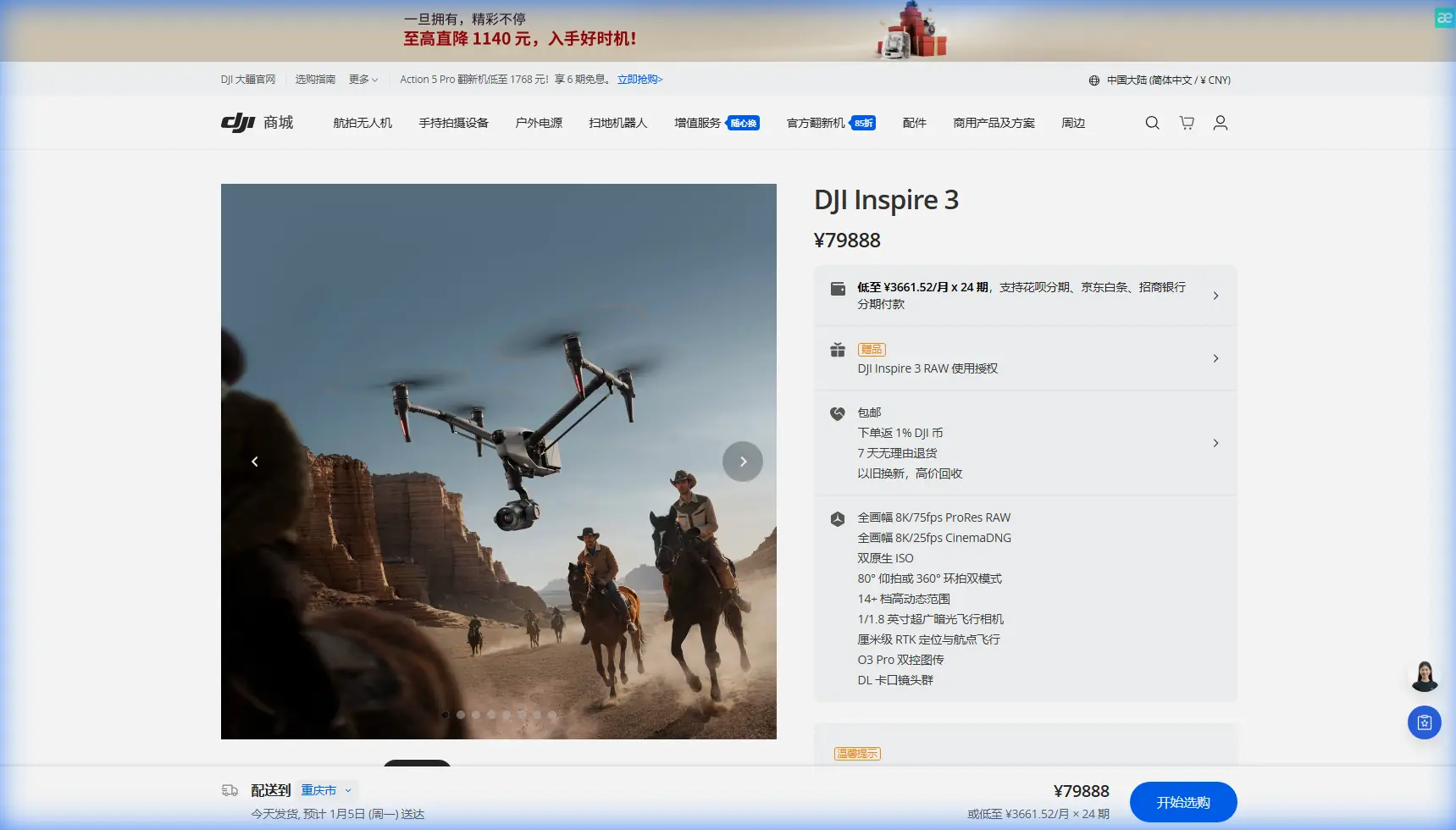
Inspire 3 for Wildlife Work in Windy Conditions: A Field Guide from Dr. Lisa Wang
META: Practical expert guide to using the DJI Inspire 3 for wildlife scouting in windy conditions, including flight planning, weather shifts, O3 transmission, hot-swap batteries, and image capture strategy.
Wildlife scouting sounds gentle on paper. In the field, it rarely is.
You may launch under a calm sky, track movement across open terrain, and then watch the weather turn halfway through the sortie. Wind pushes harder over ridgelines. Light flattens. The subject changes direction. Battery timing suddenly matters more than your shot list. That is exactly where the Inspire 3 stops being a spec sheet and starts proving its value.
I’ve spent years advising teams on drone operations where image quality alone is not enough. For wildlife observation, habitat assessment, and conservation support, the aircraft has to remain stable in changing air, keep a reliable link over difficult terrain, and let the crew adapt without wasting a narrow field window. The Inspire 3 is especially interesting here because it sits at the intersection of cinema-grade imaging and serious operational discipline. That mix is useful for more than film sets.
This guide focuses on one very specific scenario: scouting wildlife in windy conditions, with weather changing mid-flight. Not as a dramatic story, but as an operational reality. If you are evaluating the Inspire 3 for this kind of work, these are the details that actually matter.
Why the Inspire 3 Fits Wildlife Scouting Better Than Many Teams Expect
A lot of people look at the Inspire 3 and think first about cinematic production. Fair enough. But in wildlife work, several of its design choices are practical in a less obvious way.
The first is transmission stability. DJI’s O3 Pro transmission system is not just a convenience feature. In wildlife scouting, especially over uneven ground or near vegetation breaks, a reliable live feed changes decision-making in real time. If your observer sees animal movement near the edge of frame, or notices that wind is pushing the aircraft off the ideal line, they need confidence in what they are seeing right then. A weaker or less stable link often leads to conservative flying, wider stand-off distances, and missed behavioral cues.
The second is battery workflow. The Inspire 3 uses dual batteries and supports hot-swap battery changes. Operationally, that matters far more than most marketing copy suggests. Wildlife windows are often short and unpredictable. If a herd shifts, a nesting area becomes active, or a species emerges only briefly during a weather break, losing time between flights can mean losing the observation. Hot-swapping helps crews relaunch faster while preserving aircraft readiness. It also reduces the temptation to stretch a flight too close to reserve margins, which is a common mistake when teams are trying to “just finish one more pass.”
Third, the platform’s high-end imaging is not only about making beautiful footage. For habitat monitoring, animal counting support, and terrain context, image detail has direct analytical value. A stable, high-resolution image lets you study movement corridors, distinguish vegetation stress, and document changes in surface conditions after rain or strong winds. Even when the mission is not formal photogrammetry, clean imagery gives you options later.
Start with the Mission, Not the Aircraft
When scouting wildlife in wind, your mission design should answer three questions before the drone ever leaves the case:
- What behavior are you trying to observe?
- How much stand-off distance is needed to avoid disturbance?
- What weather change would trigger an early return or modified route?
Most teams focus too much on the first and not enough on the third.
Wind affects more than aircraft stability. It changes animal behavior, route planning, battery draw, and the quality of your data. If you are monitoring movement across open grassland, for example, a wind increase may push birds lower, shift herd direction, or make certain ridge approaches much rougher for the aircraft than the surface forecast suggested.
The Inspire 3 gives you strong tools, but it still rewards conservative planning. Build primary and alternate flight paths. Keep one route aligned with the expected wind so your outbound leg is energy-efficient and your return leg is not a surprise. Identify sheltered loiter points. Pre-brief the team on a shortened mission version in case the weather turns.
That matters because weather rarely deteriorates in a neat, gradual curve.
A Mid-Flight Weather Shift: What Actually Changes
Let me describe a common field situation.
You launch in steady conditions, with enough wind to notice but not enough to limit the operation. The objective is to observe wildlife movement near a water source and collect broad terrain imagery useful for later habitat review. Ten minutes in, cloud thickens, crosswind builds, and turbulence becomes more pronounced along a tree line. The mission is still possible, but no longer routine.
This is where the Inspire 3’s transmission and power design earn their place.
With O3 transmission holding a solid live view, the pilot and visual observer can make meaningful adjustments instead of reacting late. You can tighten the route, avoid rougher air over exposed ground, and maintain visual awareness of the subject area without guessing what the camera is seeing. In wildlife work, that reduces unnecessary repositioning, which reduces disturbance.
At the same time, the aircraft’s battery strategy gives the crew options. If the weather break is temporary and you need a fast turnaround after landing, hot-swap batteries can keep the mission flowing. That is operational significance, not convenience. In changing weather, the useful flight window may reopen for only a few minutes. Crews that can re-enter the air quickly often collect better data than crews with theoretically similar aircraft but slower reset times.
One more point here: if you anticipate handling location-sensitive footage or survey data, secure transmission and data handling matter. AES-256 encryption is relevant for organizations working with protected habitat information, sensitive species locations, or research programs where geospatial disclosure needs to be controlled. That is not a glamorous feature, but for conservation contractors and environmental consultants, it can be a deciding factor in procurement and policy compliance.
Flight Technique for Windy Wildlife Missions
The Inspire 3 can handle demanding conditions, but technique still determines results. In wildlife scouting, the goal is not to show how assertively you can fly. The goal is to capture usable information while keeping the aircraft predictable and the subject undisturbed.
1. Climb deliberately, not aggressively
In variable wind, the first clue often appears just above your launch altitude. A smooth vertical climb gives you time to detect shear, drift, and any abnormal power demand before you commit to the route. If the aircraft starts working harder than expected immediately, that is useful information. Take it seriously.
2. Use broader arcs instead of abrupt reversals
Hard directional changes in wind cost energy and can create less stable imagery. Around wildlife, they can also look more intrusive. The Inspire 3’s responsiveness is an asset, but in this use case, restraint produces better data. Smooth arcs maintain camera continuity and reduce the stop-start feel that can disturb animals.
3. Watch battery trend, not just battery percentage
In wind, battery numbers can look acceptable until return power demand rises. The dual-battery setup improves resilience, but your decision point should be based on where the aircraft is, what the return leg requires, and whether conditions are strengthening. A smart pilot turns early enough that the reserve remains a reserve.
4. Keep transmission awareness active
O3 transmission is strong, but don’t treat it as permission to ignore terrain and interference logic. Ridgelines, vegetation, and orientation still matter. In wildlife terrain, preserving a clean control and video link often means choosing a more modest path with better geometry rather than the shortest direct line.
Imaging Strategy: Observation First, Analysis Second
Wildlife crews often make one of two mistakes. Either they fly too high and collect only generic context, or they get too visually ambitious and compromise the observation.
The Inspire 3 supports a better balance. You can capture broad-area context first, then move into tighter observational passes if the animals remain settled and conditions allow. This layered approach works especially well when weather is unstable. If the wind worsens sooner than expected, you still return with useful wide-area data.
If your project includes habitat modeling or terrain reconstruction, photogrammetry may also enter the workflow. This is not the Inspire 3’s most obvious headline use, yet it can contribute well when the mission is designed properly. If you intend to derive spatial products, use disciplined overlap planning and, where accuracy matters, ground control points or GCPs. That moves the output from “nice aerial imagery” toward something defensible in environmental reporting.
In a windy wildlife scenario, though, don’t force a mapping pattern just because it was on the original plan. If subject activity starts and the weather shifts, observational priority usually wins. You can schedule a tighter photogrammetry collection later under more stable air.
What About Thermal Signature Work?
This is where many readers need a reality check.
The Inspire 3 is not a thermal platform by default, so if your workflow depends on thermal signature detection for dawn searches, canopy edge checks, or locating animals against cooler terrain, you should separate that requirement from what the Inspire 3 is built to do best. The aircraft excels in high-quality visual capture and controlled flight performance, but thermal missions generally call for a different payload strategy.
That does not make the Inspire 3 less valuable. It simply means you should assign the right aircraft to the right sensor task. In mixed wildlife programs, the Inspire 3 often shines as the platform for daylight visual documentation, habitat context, and behavior capture, while a separate thermal-capable system handles heat-based detection work.
BVLOS and Wildlife Operations
Some teams ask whether BVLOS changes the picture. The answer is yes, but only if your regulatory approval, risk controls, and mission design support it. BVLOS can expand wildlife survey coverage and reduce the number of launch sites needed in remote landscapes. Still, it raises planning demands significantly, especially in wind and changing weather.
For Inspire 3 users, the practical lesson is this: do not let the aircraft’s capability lure you into treating complex airspace or extended-range wildlife work casually. A reliable transmission link and professional-grade design help, but they do not replace an approved concept of operations, clear lost-link behavior, weather thresholds, and observer coordination.
A Real-World Checklist Before You Launch
Here’s the short version I give field teams:
- Check not just average wind, but gust spread and terrain-driven variability.
- Define a firm stand-off distance based on the species and season.
- Plan one short route that can succeed even if the weather degrades early.
- Use the first minutes of flight to validate actual conditions aloft.
- Protect battery reserves for the return, not the camera plan.
- Treat hot-swap capability as a way to preserve discipline, not excuse delay.
- If handling sensitive location data, confirm your security workflow and use of AES-256-protected systems where required.
- If the mission might evolve into mapping, have GCP and overlap planning ready, but don’t force it when animal activity becomes the priority.
If your team is building a wildlife workflow around the Inspire 3 and wants to talk through mission fit, operations, or payload planning, you can message our field team here.
The Bottom Line on Inspire 3 in Windy Wildlife Scouting
The Inspire 3 earns its place in wildlife operations not because it is marketed for that niche, but because several of its core capabilities translate well under pressure. O3 transmission helps crews stay informed when terrain and weather complicate the live picture. Hot-swap batteries support faster, safer relaunches during narrow observation windows. AES-256 matters when habitat and species location data cannot be handled casually. And when conditions shift mid-flight, these details stop being abstract features and become operational advantages.
That is the real test for any aircraft in this category.
In calm weather, many drones can look competent. In a windy field mission with wildlife on the move and the sky changing overhead, the platforms that remain useful are the ones that help the crew think clearly, adapt quickly, and return with data they can trust. The Inspire 3 is one of those platforms—if you use it with the discipline the mission deserves.
Ready for your own Inspire 3? Contact our team for expert consultation.